Country
South Africa
I have 3 sourced drinks connected to South Africa. The label on each card says how: where it began, what the country is known for, what people drink there, or where the origin is disputed.
Drinks of South Africa
Signature drinks and regional ones, with the evidence behind each. A drink marked non-alcoholic has no alcohol in the traditional serve.
Springbokkie
Nationwide, associated with rugby season
IconicSignature drink
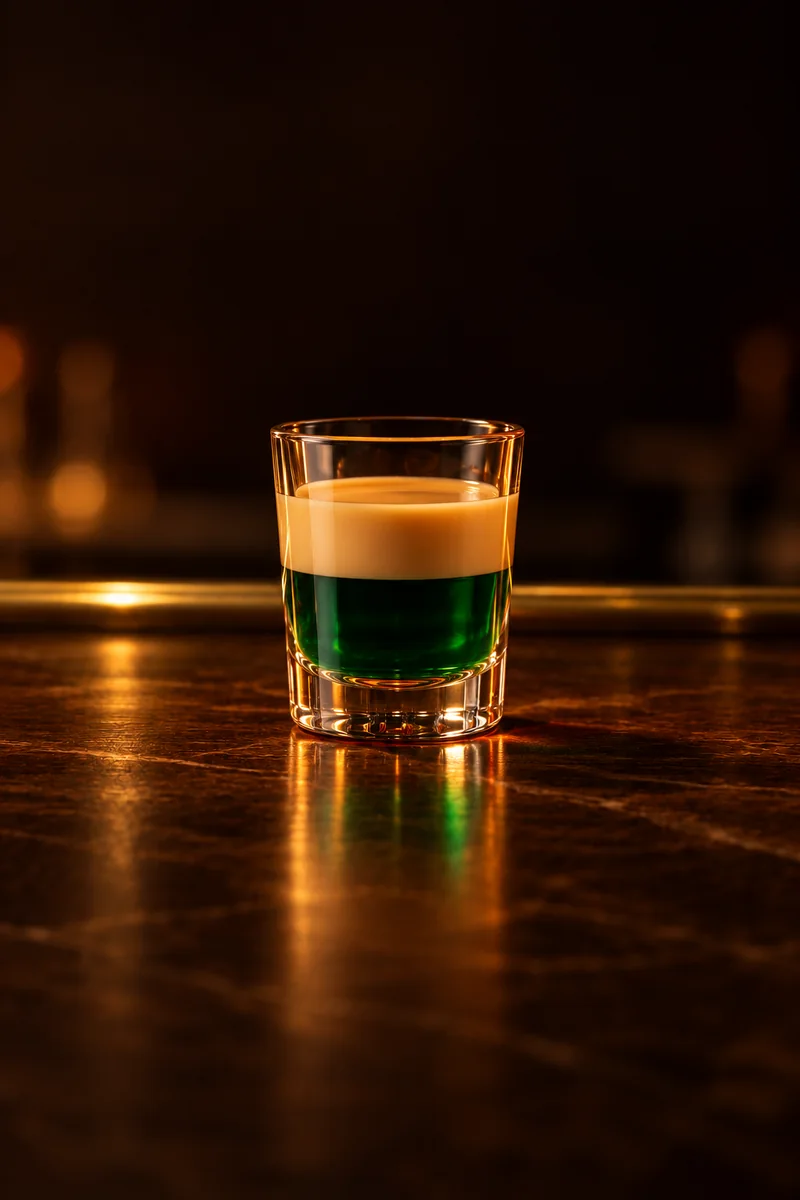
A layered shot of two liqueurs in a small shot glass. Peppermint liqueur or creme de menthe goes in first, and Amarula cream liqueur is floated on top over the back of a teaspoon so the two layers stay apart. Recipes use roughly equal parts.
Sources call it a patriotic South African shooter and tie its green and gold colors to the national rugby team and the springbok, and they link it to rugby season. None of the pages fetched gives an inventor or a date, so its origin is popularly told and unverified.
Made with: peppermint liqueur or creme de menthe, Amarula marula cream liqueur.
Confidence: mediumEvidence: greedygourmet.com (opens in a new tab), rainbowcooking.co.nz (opens in a new tab), en.wikipedia.org (opens in a new tab)
Brandy and Coke
Nationwide; also called Klippies and Coke or brannas
PopularRegional drink
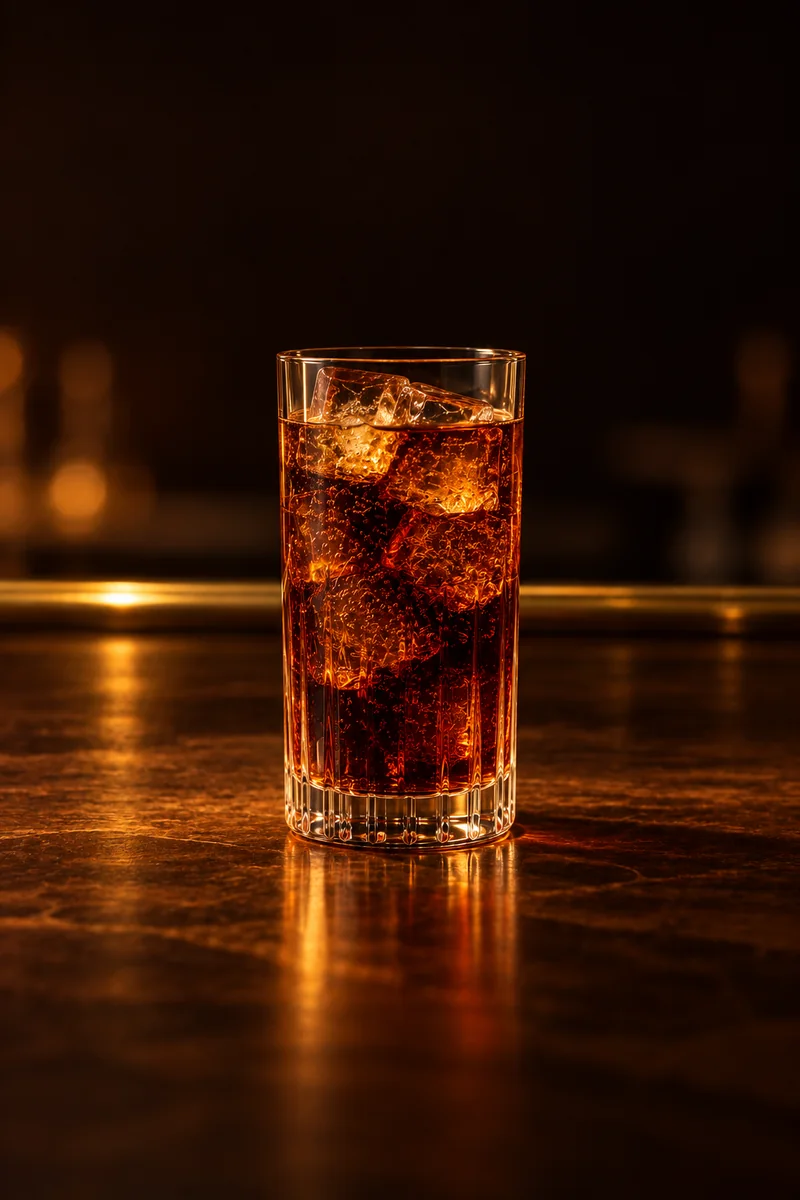
A highball of South African brandy topped with cola. A Daily Maverick writer says a proper pour puts at least a quarter of the glass as brandy before the cola goes in.
A Daily Maverick piece suggests the pairing might be the national drink, and the director of the South African Brandy Foundation calls it an excellent South African drink. No source fetched gives an origin date for the serve.
Made with: South African brandy, cola.
Confidence: lowEvidence: dailymaverick.co.za (opens in a new tab), mg.co.za (opens in a new tab)
Dom Pedro
Nationwide, restaurant dessert drinks
ContestedSignature drink
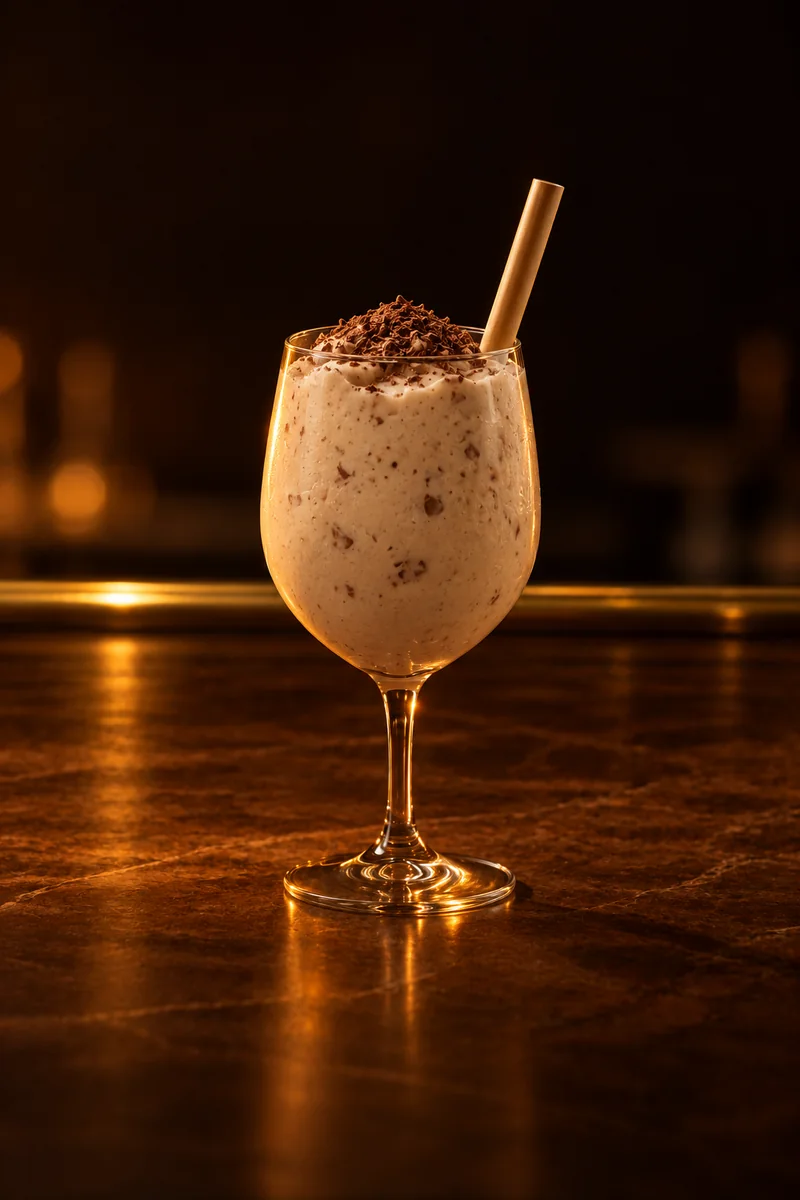
A blended dessert drink of vanilla ice cream, cream and a measure of whisky or a liqueur, served thick like a milkshake. It is topped with grated chocolate, sometimes with a glace cherry. Amarula and coffee liqueur versions are common alongside the whisky original.
Sources agree the drink began appearing on South African menus in the 1970s. Its origin is disputed: tellings credit a local chef, a chef who poured whisky over ice cream after visiting Scottish distilleries, or an Argentine source, and none of these is documented. Afrikaans speakers write it Dom Pedro, a spelling that plays on the word for foolish.
Made with: vanilla ice cream, cream, whisky (or Amarula, Kahlua, Frangelico, Baileys), grated chocolate.
Confidence: mediumEvidence: cooksister.com (opens in a new tab), finglobal.com (opens in a new tab)
Map data: Natural Earth, public domain.