Country
Vietnam
I have 3 sourced drinks connected to Vietnam. The label on each card says how: where it began, what the country is known for, what people drink there, or where the origin is disputed.
Drinks of Vietnam
Signature drinks and regional ones, with the evidence behind each. A drink marked non-alcoholic has no alcohol in the traditional serve.
Egg Coffee
Hanoi
OriginRegional drinkNon-alcoholic
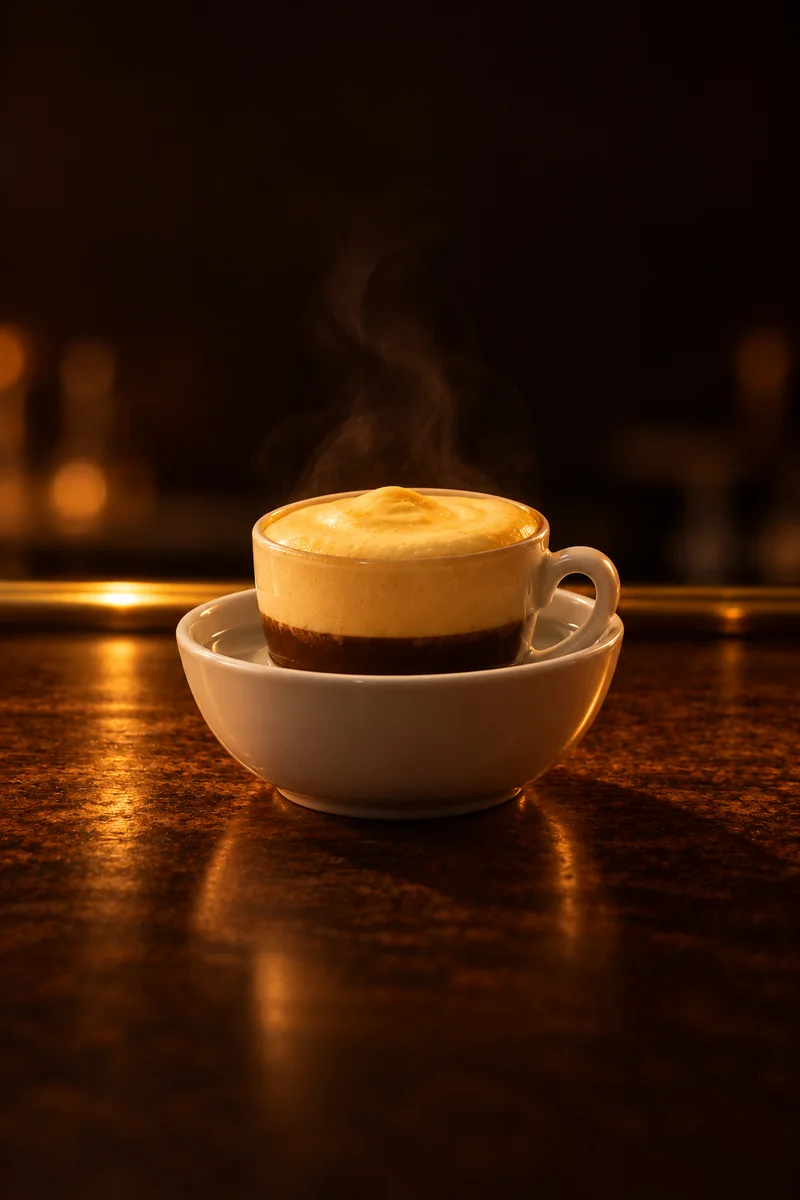
A small cup of strong coffee under a thick, aromatic foam of whisked egg yolk, sugar and condensed milk. The cup is often set in a bowl of warm water to keep it hot.
Accounts credit Nguyen Van Giang, who worked at Hanoi's Metropole hotel, who replaced scarce milk with whipped egg yolk, with 1946 the date most often given. Wikipedia reports that the founder's son places the invention in the late 1940s at the family's Giang Cafe.
Made with: strong Vietnamese coffee, egg yolk, sugar, condensed milk.
Confidence: mediumEvidence: en.wikipedia.org (opens in a new tab), cnbc.com (opens in a new tab), vietcetera.com (opens in a new tab)
Bia Hoi
Hanoi
IconicRegional drink
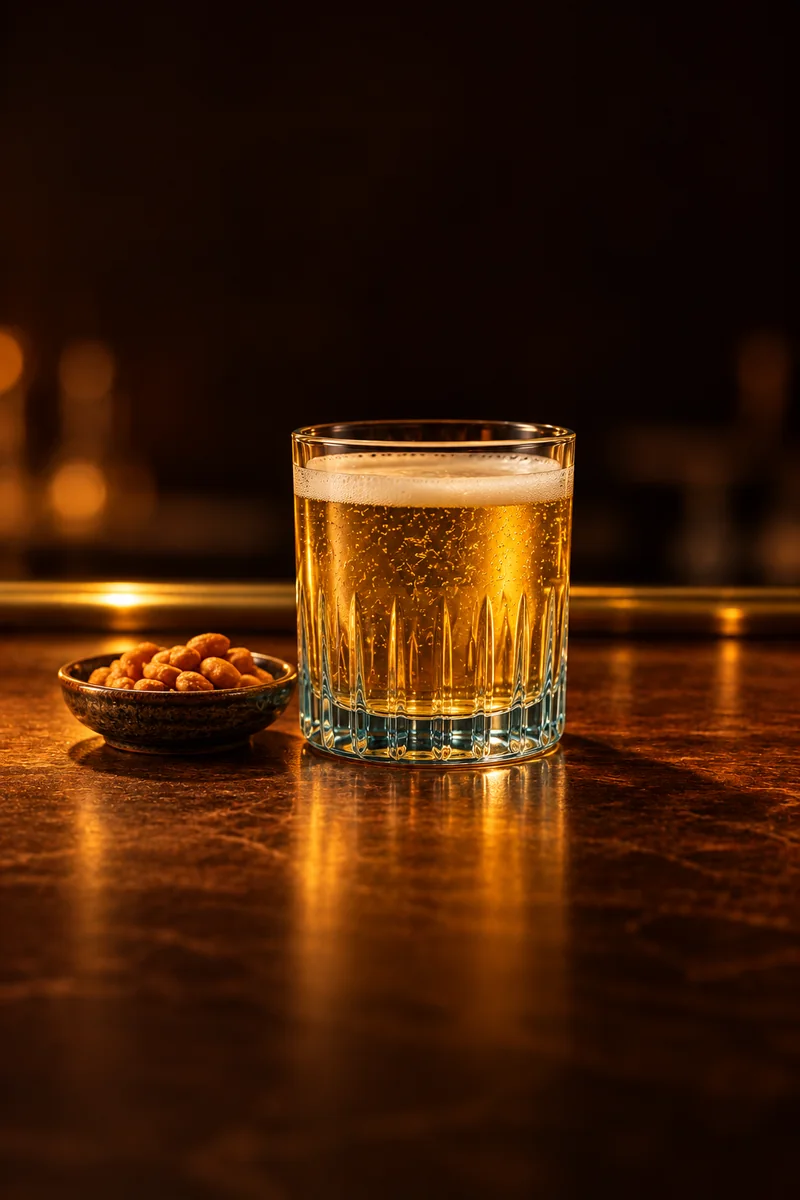
Light pilsner-style draft beer at about 4 percent alcohol, fermented for a short time and delivered daily to vendors, who sell it from the keg a few hours later. It is poured into a short thick tumbler at sidewalk stalls, where customers sit on small plastic stools with dry-roasted peanuts or dried squid. A home-recipe page describes pouring it over small ice cubes in Hanoi style for hot weather.
Punch says the regime encouraged exchange with the USSR, including the Czech Republic, whose easy-to-produce light pilsners caught on. Saigoneer says that in 1976 Hanoi had one beer factory and few proper beer glasses, so designer Le Huy Van was asked to create a tumbler for Hanoi beer, and the first batch was made at the Dan Chu Glassware Cooperative that year. The name coc vai refers to the glass's original half-liter size.
Made with: fresh draft pilsner-style beer.
Confidence: mediumEvidence: punchdrink.com (opens in a new tab), saigoneer.com (opens in a new tab), tablejourney.com (opens in a new tab), saigoneer.com (opens in a new tab)
Ruou Can (Jar Wine)
Central Highlands and northern mountains
IconicRegional drink
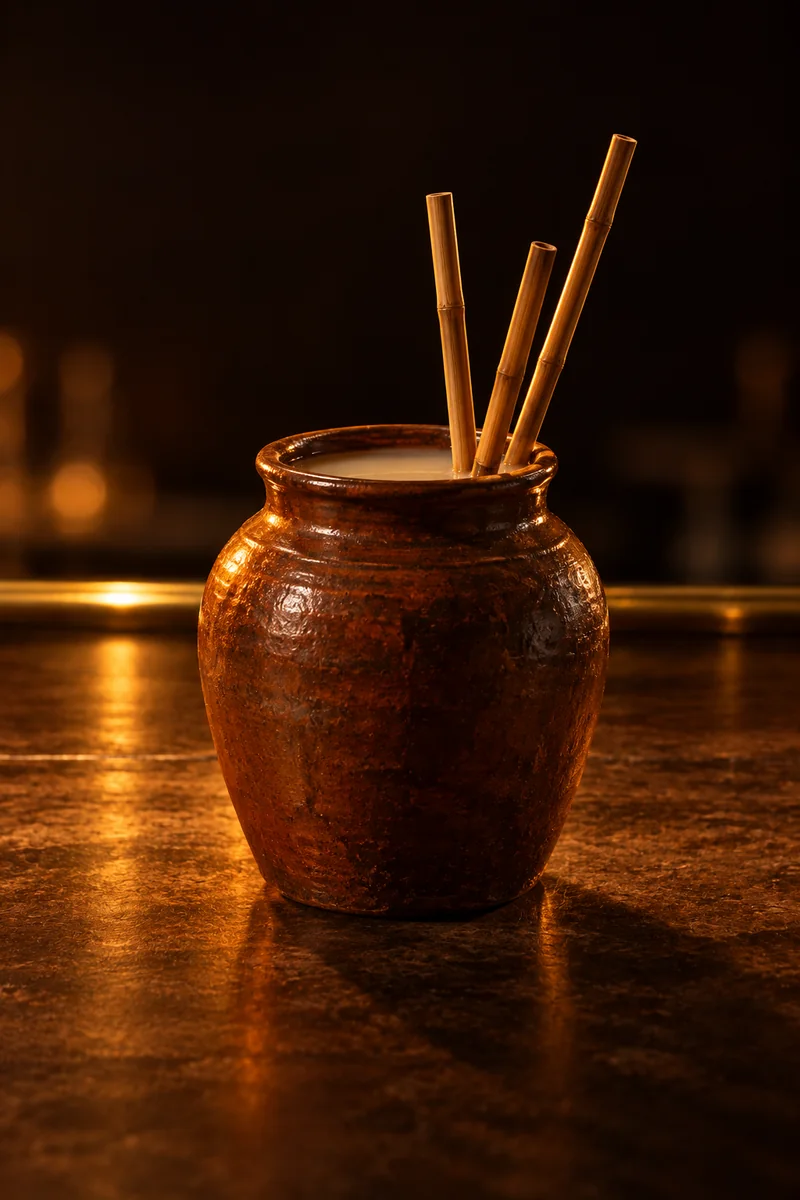
Grain wine fermented in a sealed clay jar with a yeast starter. Water is added, long bamboo straws are placed in the jar, and guests take turns sipping from the same jar with the host controlling the order.
The Ede, Gia Rai, Ba Na and H'Mong peoples are associated with it, and it is reserved for weddings, funerals, harvest festivals, New Year and the welcome of guests. Sources give no founding date.
Made with: fermented rice or grain wine, yeast starter, water.
Confidence: highEvidence: vietnamtourism.com (opens in a new tab), vietnamnews.vn (opens in a new tab)
Map data: Natural Earth, public domain.