Country
Sweden
I have 2 sourced drinks connected to Sweden. The label on each card says how: where it began, what the country is known for, what people drink there, or where the origin is disputed.
Drinks of Sweden
Signature drinks and regional ones, with the evidence behind each. A drink marked non-alcoholic has no alcohol in the traditional serve.
Glogg
Christmas season
IconicRegional drink
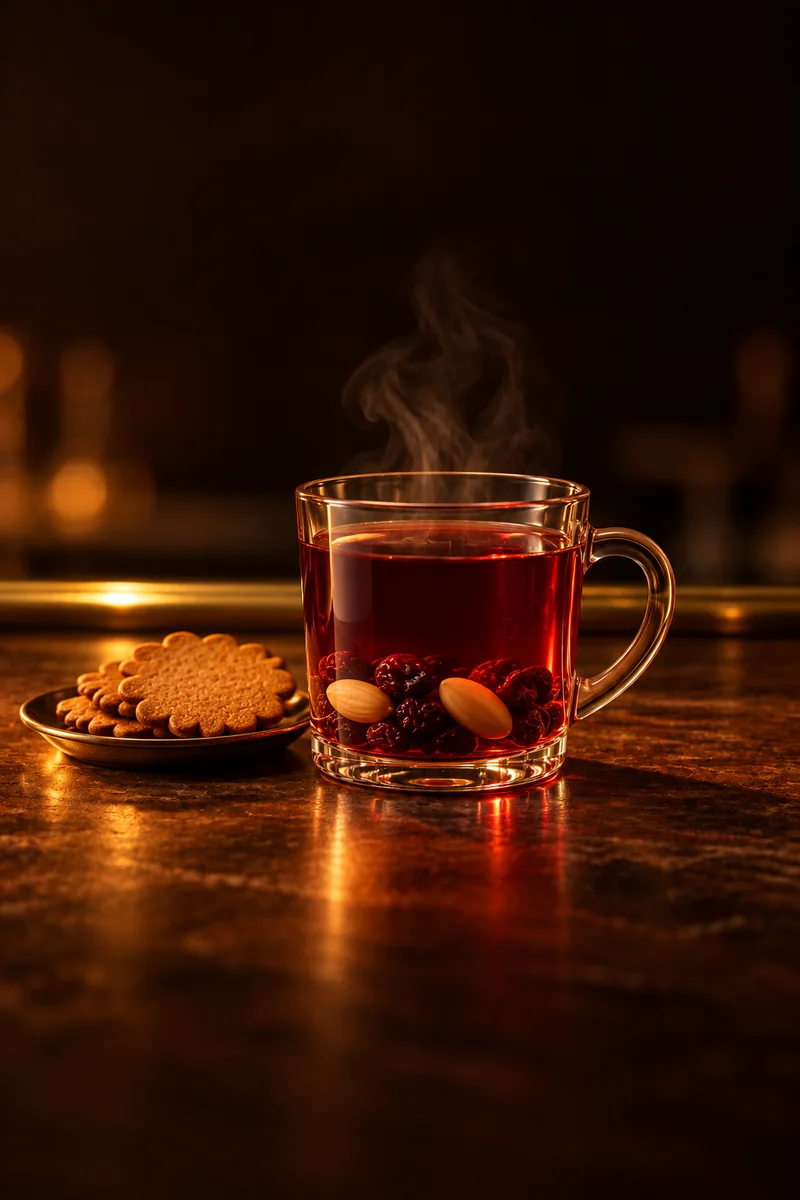
Spiced wine gently heated and served with raisins and blanched almonds in the glass, with gingerbread biscuits (pepparkakor) on the side. It is a Christmas season drink, with about five million liters drunk each Christmas according to the Stockholm Spritmuseum.
Mulled wine is known in Sweden from the 1610s. A Spritmuseum curator says Swedish winemakers in the late 19th century marketed glogg as a winter and Advent drink, with labels showing little elves and winter landscapes.
Made with: red wine (or schnapps or cognac), cinnamon, cardamom, cloves, ginger, sugar, raisins, blanched almonds.
Confidence: mediumEvidence: thelocal.se (opens in a new tab), swedishspoon.com (opens in a new tab), en.wikipedia.org (opens in a new tab)
Swedish Punsch
Thursday pea soup tradition
IconicRegional drink
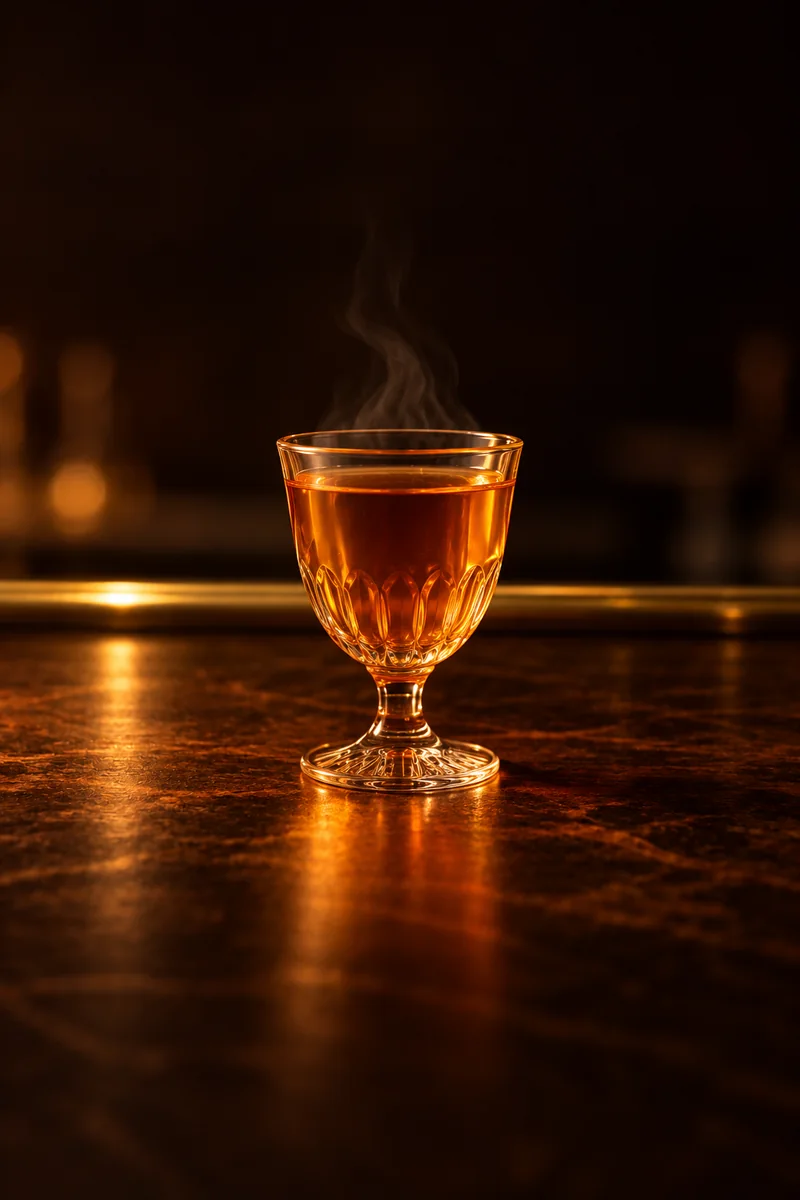
An arrack-based sweet spirit drink drunk warm or chilled, often from small decorative glass cups. By tradition it is served warm on Thursdays with yellow pea soup and pancakes. Wikipedia describes it as a liqueur of arrack, brandy or rum with arrack tea, sugar and water, usually about 25 percent alcohol, and says it should not be confused with English punch.
The Swedish East India Company began importing arrack in 1733. Wikipedia says punsch was popular among the wealthy and then spread through all levels of society, including students, the military and fraternal orders. Until the 1840s it was usually served warm, made by dissolving a sugarloaf in hot water, and premixed bottles from 1845 made chilled drinking common.
Made with: arrack, sugar, citrus, tea or spices, water.
Confidence: lowEvidence: en.wikipedia.org (opens in a new tab), theskinny.co.uk (opens in a new tab), diffordsguide.com (opens in a new tab)
Map data: Natural Earth, public domain.