Country
Paraguay
I have 2 sourced drinks connected to Paraguay. The label on each card says how: where it began, what the country is known for, what people drink there, or where the origin is disputed.
Drinks of Paraguay
Signature drinks and regional ones, with the evidence behind each. A drink marked non-alcoholic has no alcohol in the traditional serve.

Terere
Paraguay, shared with Argentina, eastern Bolivia and southern Brazil
IconicSignature drinkNon-alcoholic
Yerba mate steeped in iced water, often with crushed herbs added, drunk through a metal straw from a horn cup passed around a group. It is a non-alcoholic composed drink and the country's declared national drink.
The Guarani drank it before colonization, and the Guarani-Jesuit missions spread the use of mate. Paraguay declared it its official drink, national resolution 219/2019 declared the tereré and herb culture national intangible heritage, and UNESCO inscribed it in December 2020. National Tereré Day falls on the last Saturday of February.
Made with: yerba mate, cold water, ice, medicinal or refreshing herbs (yuyos) such as mint, lemon balm, verbena or ginger.
Confidence: mediumEvidence: en.wikipedia.org (opens in a new tab), en.wikipedia.org (opens in a new tab), es.wikipedia.org (opens in a new tab)
Carrulim
Paraguay, August 1 custom
IconicRegional drink
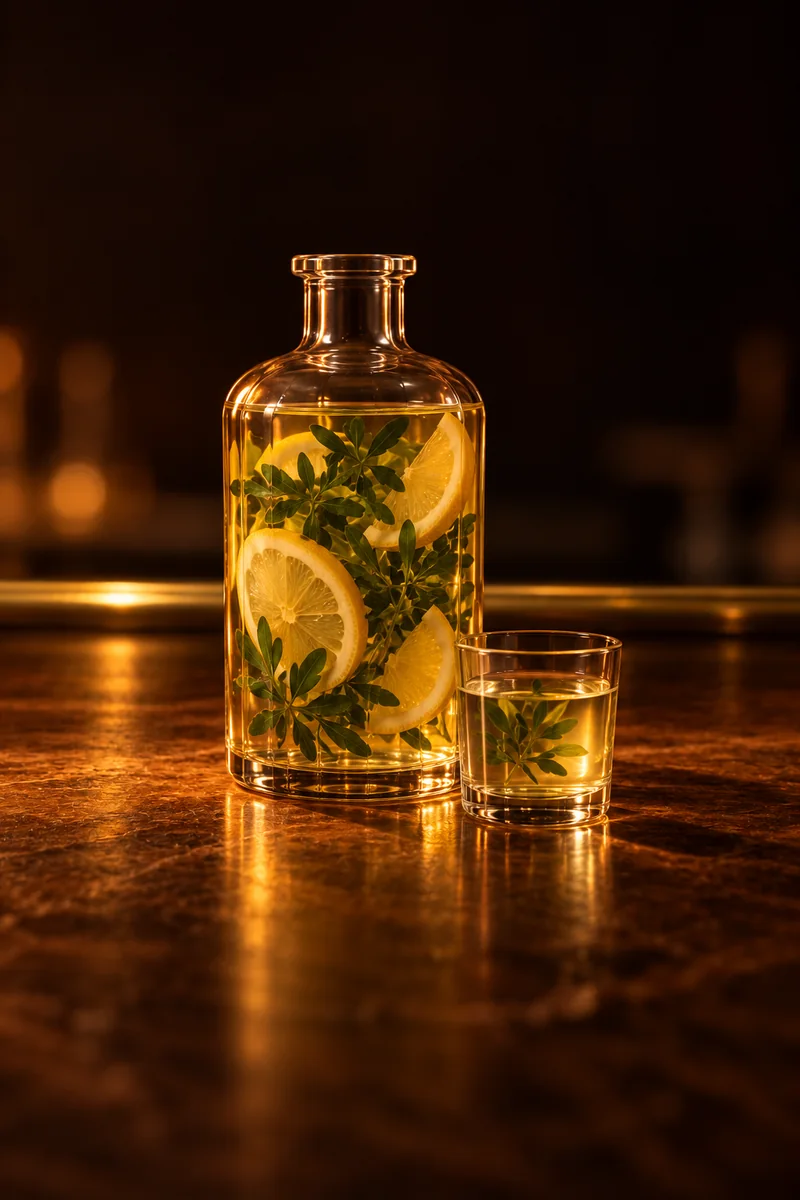
A macerate of cane spirit with fresh rue leaves and lemon juice and slices, kept in a glass bottle. The custom is to take seven short sips on an empty stomach on August 1, the day believed to bring bad luck. Herbalists (yuyeras) in Asuncion's markets prepare it by the liter and sell it in small jars.
The name takes the first syllables of caña, ruda and limon. A Paraguayan cultural promoter describes it as a winter flu remedy brought by the Spanish that merged with a Guarani belief about the dangers of August, and relates it to the older herbal liqueur mistela. Press reports say the national culture secretariat recognized it as cultural heritage in 2019.
Made with: caña (cane spirit), ruda (rue), lemon.
Confidence: highEvidence: lanacion.com.py (opens in a new tab), abc.com.py (opens in a new tab), lanacion.com.py (opens in a new tab), abc.com.py (opens in a new tab)
Map data: Natural Earth, public domain.