Country
Philippines
I have 2 sourced drinks connected to Philippines. The label on each card says how: where it began, what the country is known for, what people drink there, or where the origin is disputed.
Drinks of Philippines
Signature drinks and regional ones, with the evidence behind each. A drink marked non-alcoholic has no alcohol in the traditional serve.
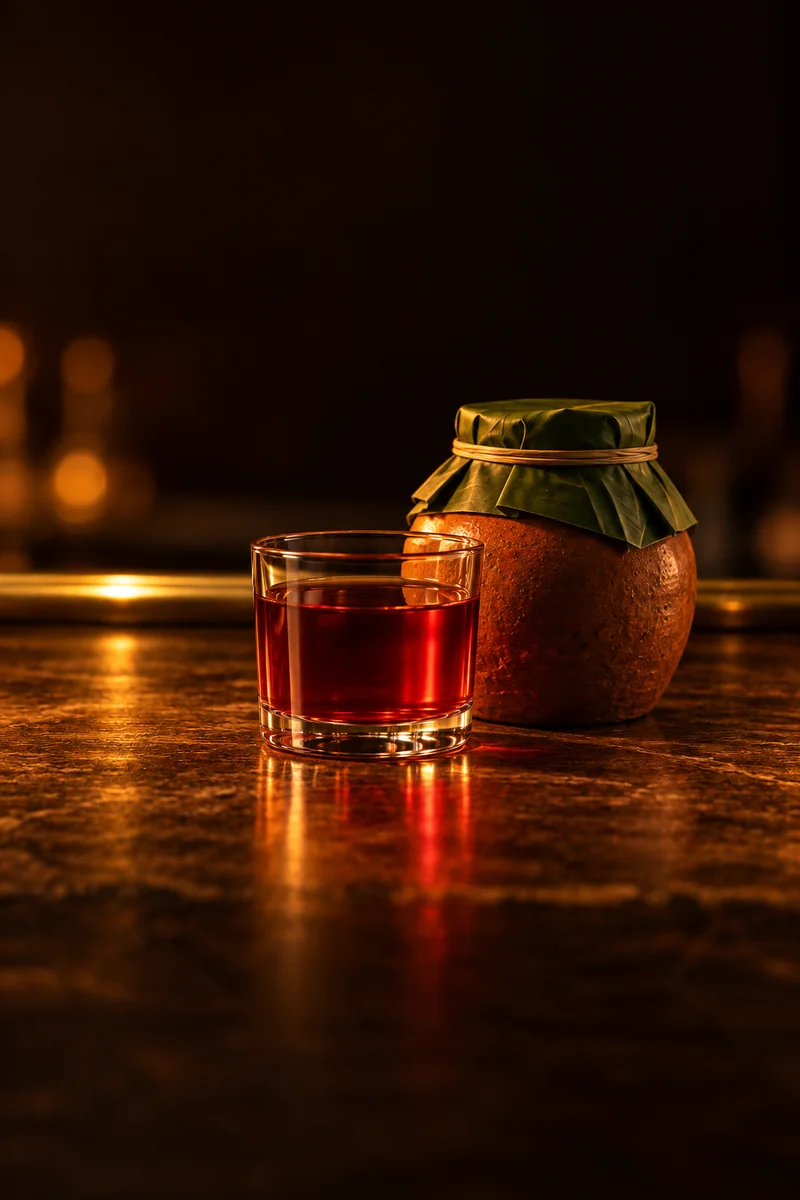
Basi
Ilocos
IconicRegional drink
Ilocano wine fermented from sugarcane juice with samak and rice and aged in burnay jars sealed with banana leaves, for about a month and a half in Ilocos. It is pale red and about 10 to 13 percent alcohol in the Ilocos figure. Sweet basi (babae) is traditionally a woman's drink and dry bitter basi (lalake) a man's, and a small first pour goes into a separate glass or onto the ground for the deceased.
Wikipedia says basi was consumed in Ilocos since before the Spanish conquest and dates widespread dissatisfaction over the Spanish monopoly to 1786. The Basi Revolt began on September 16, 1807 in what is now Piddig, and afterward the colonial government divided Ilocos into Ilocos Norte and Ilocos Sur. Philstar says farmers were forced to sell the wine cheaply to the government and buy it back at much higher prices.
Made with: sugarcane juice, plant starters such as samak leaves and rice.
Confidence: lowEvidence: en.wikipedia.org (opens in a new tab), philstar.com (opens in a new tab)
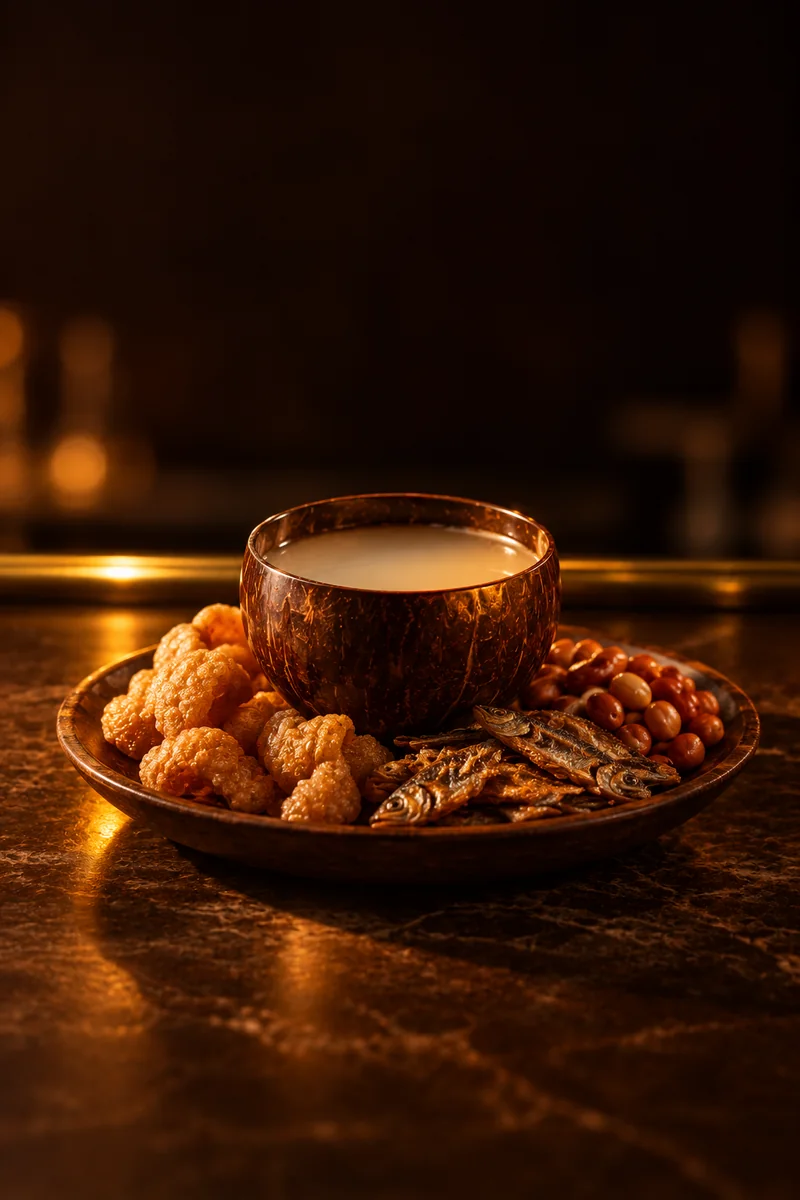
Tuba (Tagayan)
Visayas and Mindanao
IconicRegional drink
Fresh or fermented palm sap, commonly coconut, drunk at a tagayan, a social drinking session in which the host (tanggero) fills one shared vessel that circulates through the group, with a shared food called pulutan. Groups can also drink from one container through straws of hollow reed or bamboo. Bahal is tuba colored by an extract of dried mangrove bark, which turns it orange to brown.
Wikipedia says tuba existed in pre-colonial times and had ritual use in ceremonies led by babaylan and other shamans. Pigafetta, around 1521, gave the first European record and called it uraca, mistakenly believing it was distilled. A specialized still turns tuba into the palm spirit lambanog.
Made with: coconut or other palm sap, optional bark extract.
Confidence: mediumEvidence: en.wikipedia.org (opens in a new tab), en.wikipedia.org (opens in a new tab)
Map data: Natural Earth, public domain.