Country
Croatia
I have 3 sourced drinks connected to Croatia. The label on each card says how: where it began, what the country is known for, what people drink there, or where the origin is disputed.
Drinks of Croatia
Signature drinks and regional ones, with the evidence behind each. A drink marked non-alcoholic has no alcohol in the traditional serve.
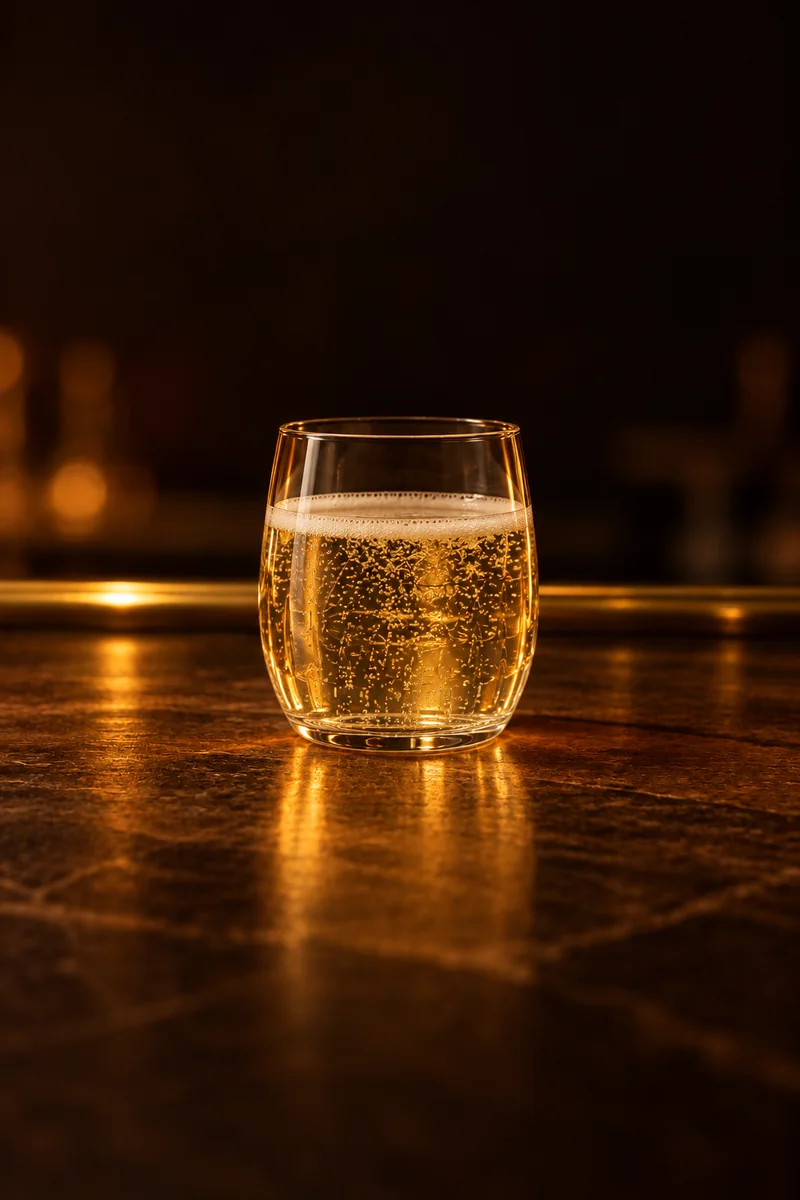
Gemišt
continental Croatia, Zagreb and Slavonia
IconicSignature drink
Dry white wine mixed with sparkling mineral water, chilled and served without ice. The most common mix is 2 parts water to 8 parts wine, polkač is equal parts, and škropec is a full glass of wine with a few drops of water. In Zagreb it is served in a 200 ml stemless glass called a bačvica.
Total Croatia News says gemišt has been documented among continental Croatians since the 19th century and cites a 1915 note from the Samobor teacher Milan Lang. The name comes from German gemischt. The same article gives two reasons for mixing: water improved the taste of oxidized wine from over-ripened grapes, and a diluted wine is less likely to get a drinker drunk.
Made with: dry white wine, sparkling mineral water.
Confidence: highEvidence: total-croatia-news.com (opens in a new tab), lovezagreb.hr (opens in a new tab)
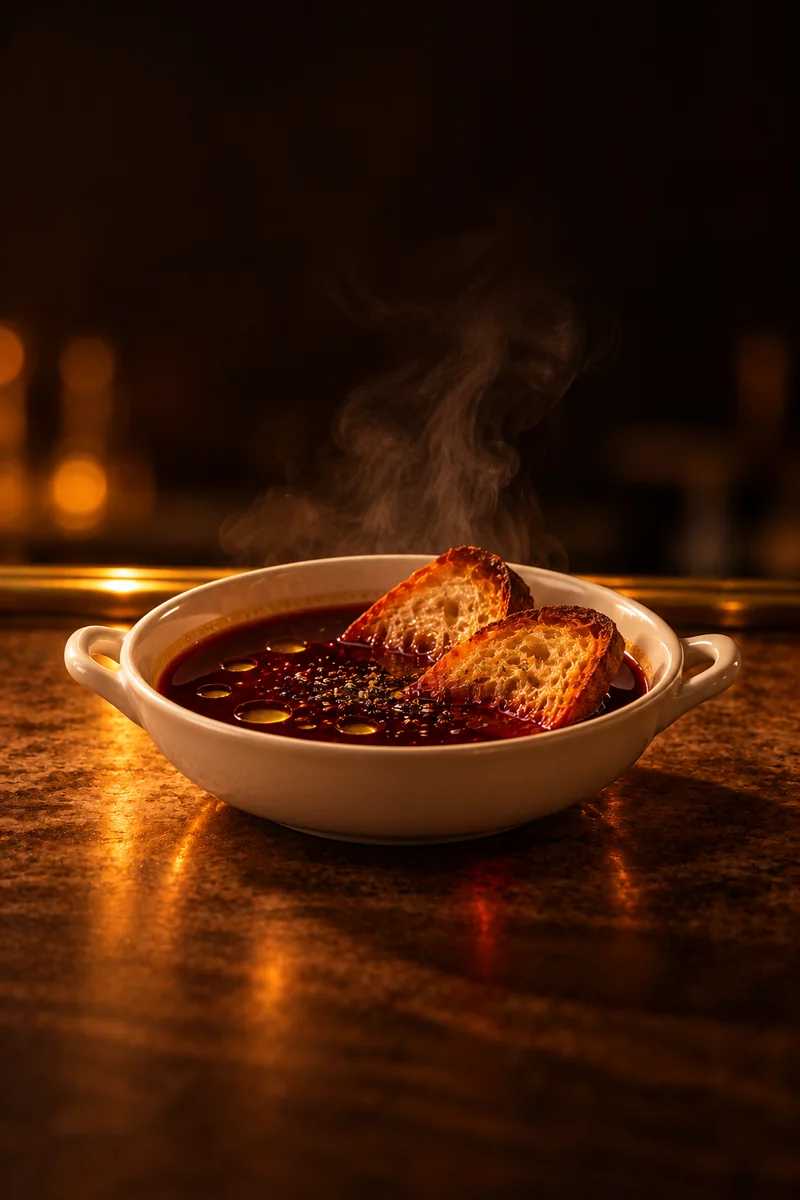
Istrian Supa
Istria
IconicRegional drink
A warm red wine drink of Istria. Warmed Teran wine goes into a bukaleta with hot toasted bread, sugar, olive oil and a pinch of pepper, and the wine is drunk from the shared dish. The wine is heated by the fireplace and must not boil.
A regional food site calls it an ancient Istrian recipe and repeats two stories: it was brought to field labourers to refresh them, and it was given to hungry children in the evening. An Istrian Supa Festival takes place each January in Rovinjsko selo on Saint Anthony's day. No date for the drink is given.
Made with: Teran red wine, toasted bread, olive oil, sugar, black pepper.
Confidence: mediumEvidence: tasteofadriatic.com (opens in a new tab)
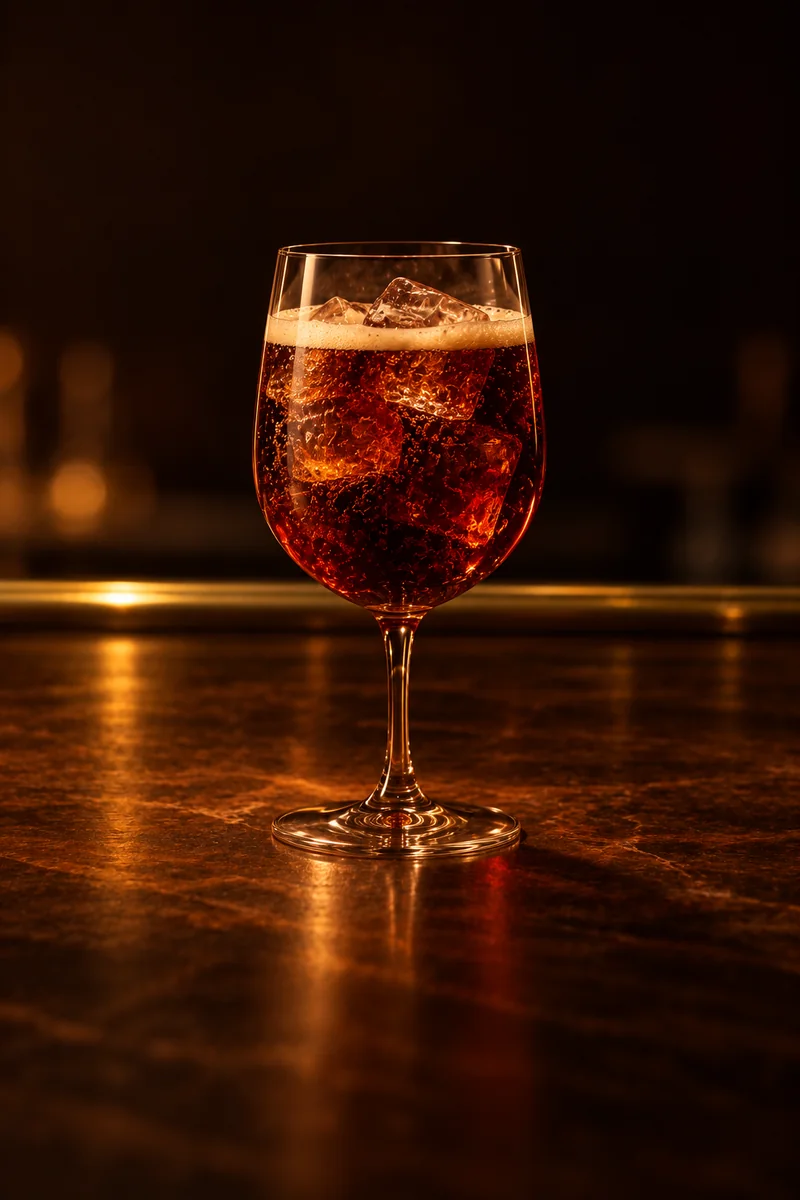
Bambus
former Yugoslavia, documented for Croatia, Serbia, Slovenia and Bosnia
PopularRegional drink
Equal parts red wine and cola, served in a wine glass with ice. A Spanish article reports that the ice sometimes comes separately. Danas, a Serbian newspaper, describes it as a long-running staple of student parties, barbecues and beach parties, and a Spanish article calls it long popular with young people.
The Danas newspaper dates its popularity to the 1970s and 1980s. A Bugojno bartender quoted in a Spanish food article says it began in the 1970s, soon after Coca-Cola bottling started in Zemun in 1968. The article states the history is poorly documented, so the dating is popularly told.
Made with: red wine, cola.
Confidence: mediumEvidence: directoalpaladar.com (opens in a new tab), danas.rs (opens in a new tab), globaltableadventure.com (opens in a new tab)
Map data: Natural Earth, public domain.