Country
Greece
I have 4 sourced drinks connected to Greece. The label on each card says how: where it began, what the country is known for, what people drink there, or where the origin is disputed.
Drinks of Greece
Signature drinks and regional ones, with the evidence behind each. A drink marked non-alcoholic has no alcohol in the traditional serve.
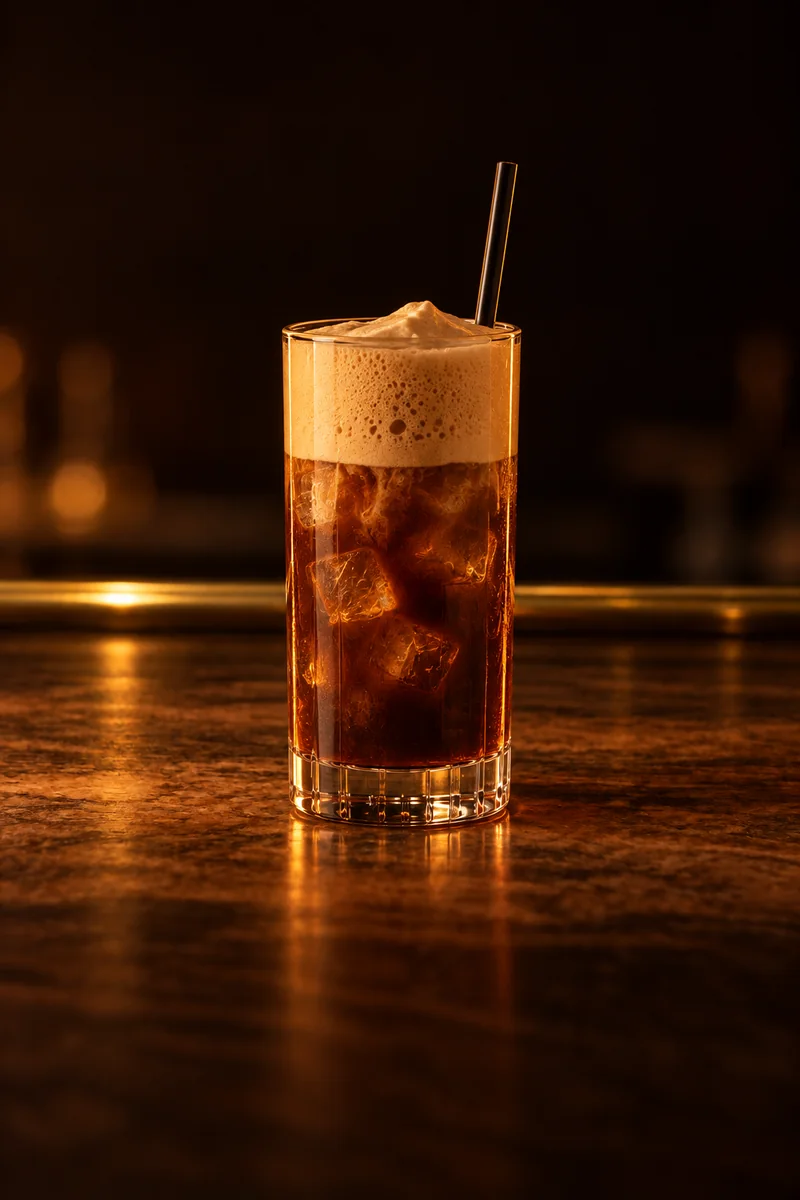
Greek Frappé
IconicSignature drinkNon-alcoholic
Instant coffee, sugar and a little water are shaken or whipped into a thick foam, then poured into a glass with ice cubes and cold water. Milk is optional. It is nearly always served with a straw.
Wikipedia and Greek City Times credit Dimitris Vakondios, a Nescafé representative, with improvising it at the Thessaloniki International Fair in September 1957. Wikipedia notes the story has been questioned and that Nescafé advertising mentioned frappé before the fair. The origin is popularly told rather than documented.
Made with: instant coffee, sugar, cold water, ice, optional evaporated milk.
Confidence: mediumEvidence: en.wikipedia.org (opens in a new tab), greekcitytimes.com (opens in a new tab)
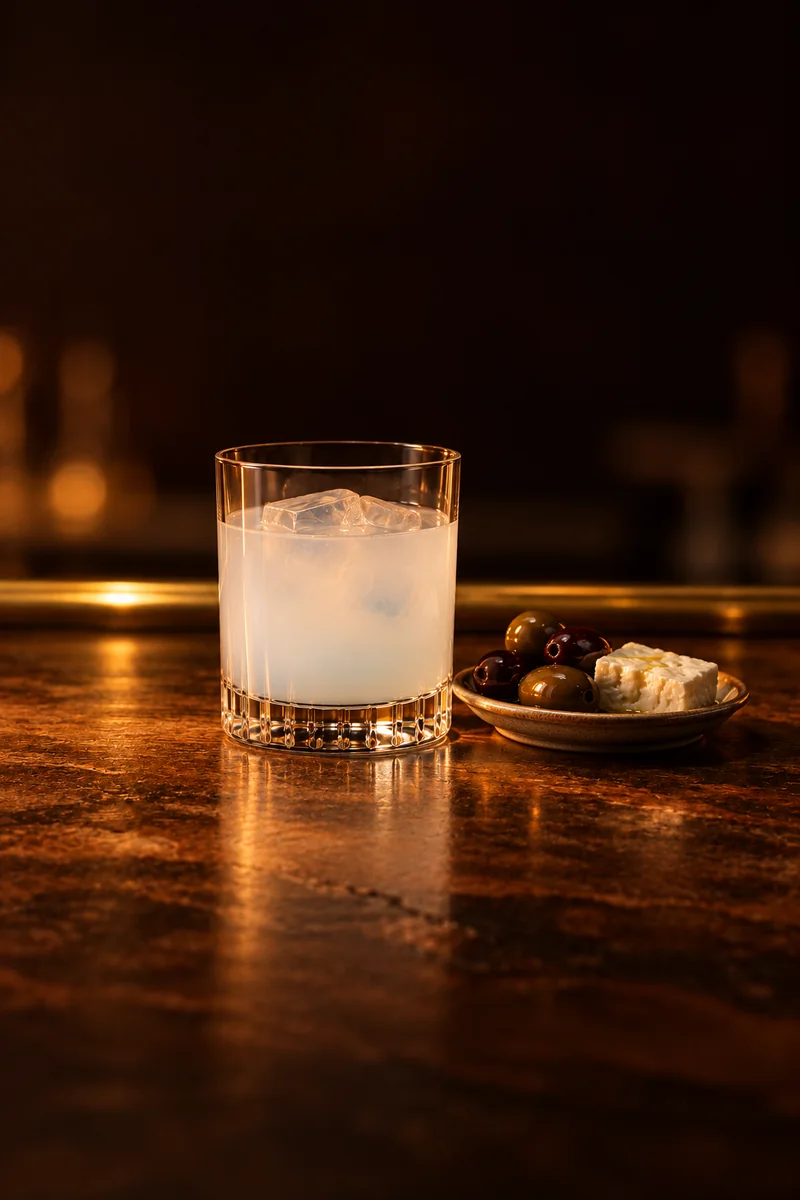
Ouzo with Water
IconicSignature drink
Ouzo poured into a small glass, then thinned with a splash of cold water or one or two ice cubes, which turns the clear spirit cloudy white. It is sipped slowly over two hours or more with small plates (mezedes) at an ouzeri, usually in the late afternoon or early evening.
Wikipedia says ouzo descends from tsipouro, which tradition credits to monks on Mount Athos in the 14th century. It names the first ouzo distillery as Tyrnavos, founded in 1856 by Nikolaos Katsaros, and says Greece gained the exclusive right to the name on 25 October 2006.
Made with: ouzo, cold water, one or two ice cubes.
Confidence: highEvidence: en.wikipedia.org (opens in a new tab), greekcitytimes.com (opens in a new tab)
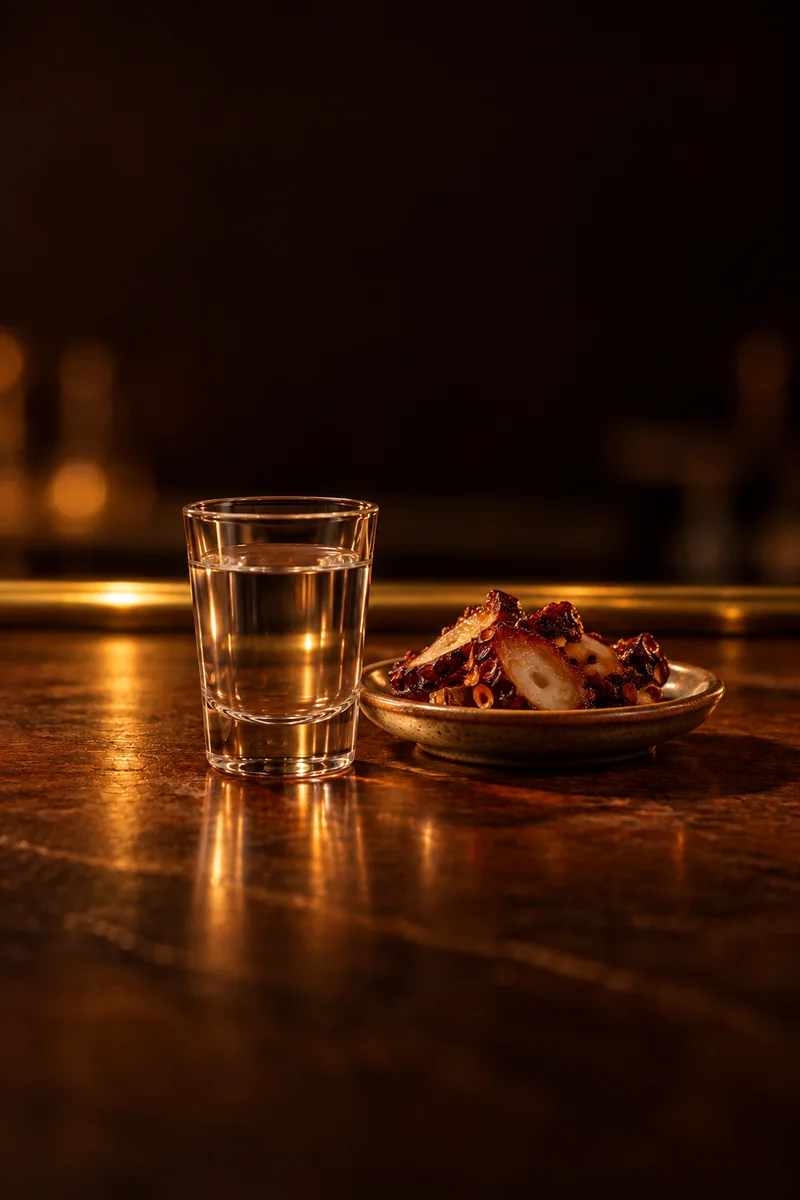
Tsipouro and Meze in Volos
Volos, Thessaly
IconicRegional drink
In the tsipouradika of Volos, tsipouro arrives in 25 ml servings called ikosipentari and each serving brings a different meze. Sun-dried octopus and tsitsiravla, pickled terebinth shoots, were among the early mezes.
Visit Greece says the tradition began in the 19th century with Asia Minor refugees, mainly dockworkers, who wanted a place to gather after work. Early servings were thimble-sized, called daktylithres, and were taken before lunch. The same page says approximately 600 tsipouradika define the gastronomic identity of Volos.
Made with: tsipouro (grape pomace spirit), meze plate.
Confidence: mediumEvidence: visitgreece.gr (opens in a new tab), en.wikipedia.org (opens in a new tab)
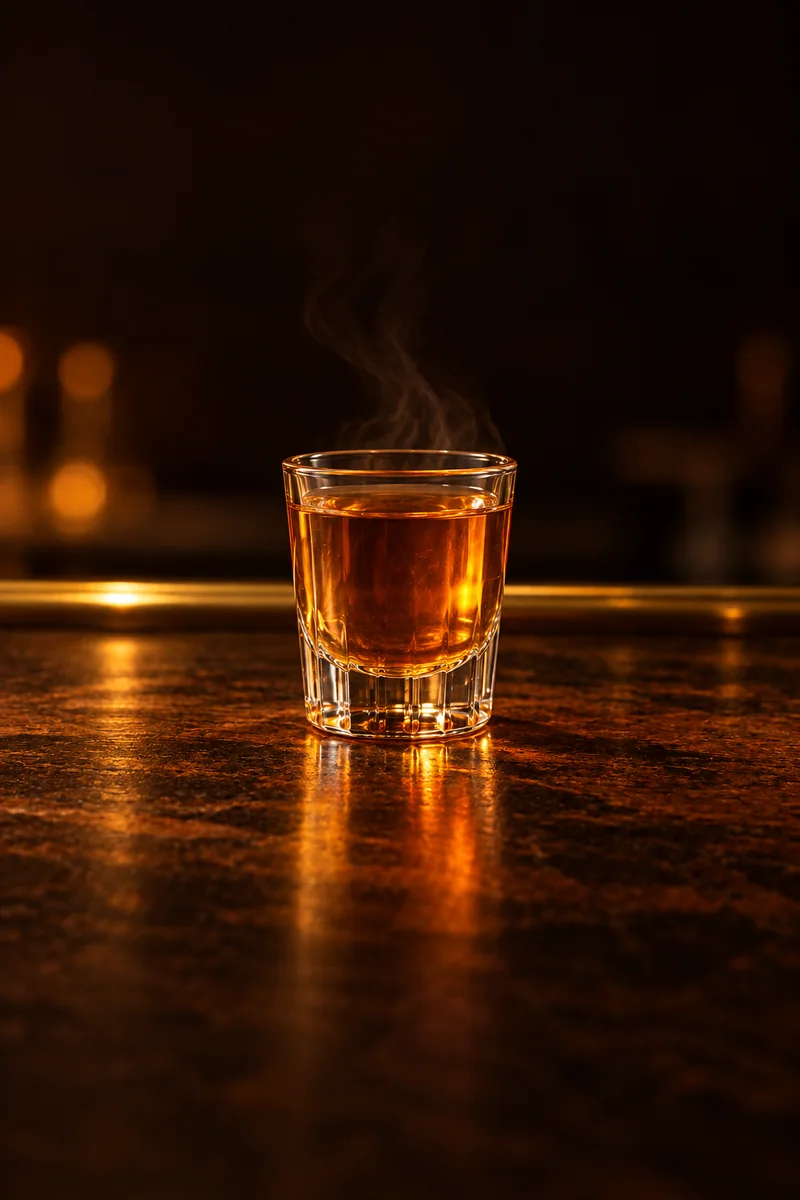
Rakomelo
Crete
PopularRegional drink
A warm drink of raki or tsipouro with honey and spices such as cinnamon and clove, drunk in winter in shot-sized servings. Bottled Cretan versions are made by adding thyme honey and cinnamon to raki and resting the mix for 20 to 30 days.
Wikipedia says the name combines raki and meli, the Greek word for honey, and that it is chiefly consumed in winter as a warm drink. A Crete producer told Travel Distilled the recipe comes from his village and is built on wild herbs gathered in the mountains, and that the cinnamon gives the drink its brandy-like color.
Made with: raki or tsipouro, honey, cinnamon, clove.
Confidence: mediumEvidence: en.wikipedia.org (opens in a new tab), traveldistilled.com (opens in a new tab)
Map data: Natural Earth, public domain.