Country
Spain
I have 7 sourced drinks connected to Spain. The label on each card says how: where it began, what the country is known for, what people drink there, or where the origin is disputed.
Drinks of Spain
Signature drinks and regional ones, with the evidence behind each. A drink marked non-alcoholic has no alcohol in the traditional serve.
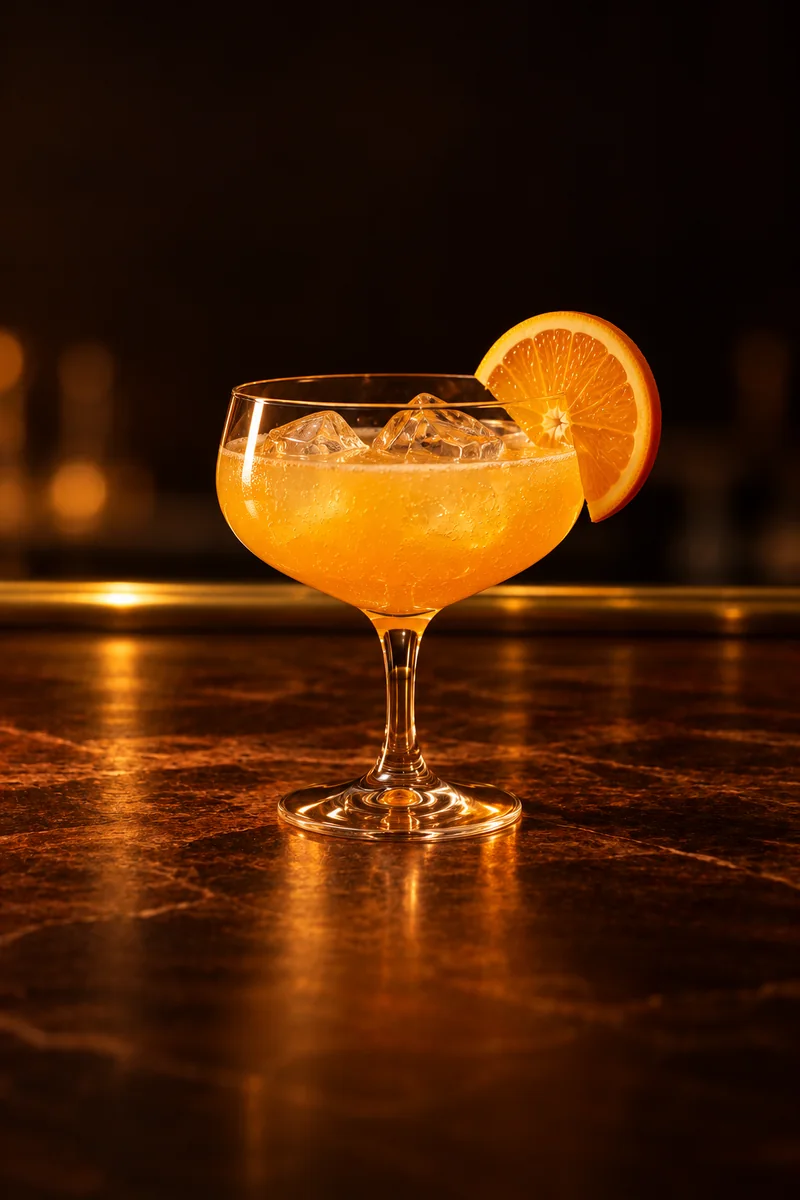
Agua de Valencia
Valencia
OriginSignature drink
Cava topped over fresh Valencia orange juice with gin and vodka, stirred gently so the bubbles stay. It is made by the pitcher and poured into broad cocktail glasses. The name does not mean it contains water.
Difford's and Visit Valencia credit Constante Gil, who ran Cafe Madrid in Valencia, with making it in 1959 for a group of Basque regulars who had been ordering a cava drink called Agua de Bilbao. It stayed within a small circle of clients for about ten years and reached wider Valencian nightlife in the 1970s. The detail rests largely on a single local author, so the story is told as tradition.
Made with: cava, fresh orange juice, gin, vodka, sugar (optional).
Confidence: mediumEvidence: diffordsguide.com (opens in a new tab), visitvalencia.com (opens in a new tab), en.wikipedia.org (opens in a new tab)
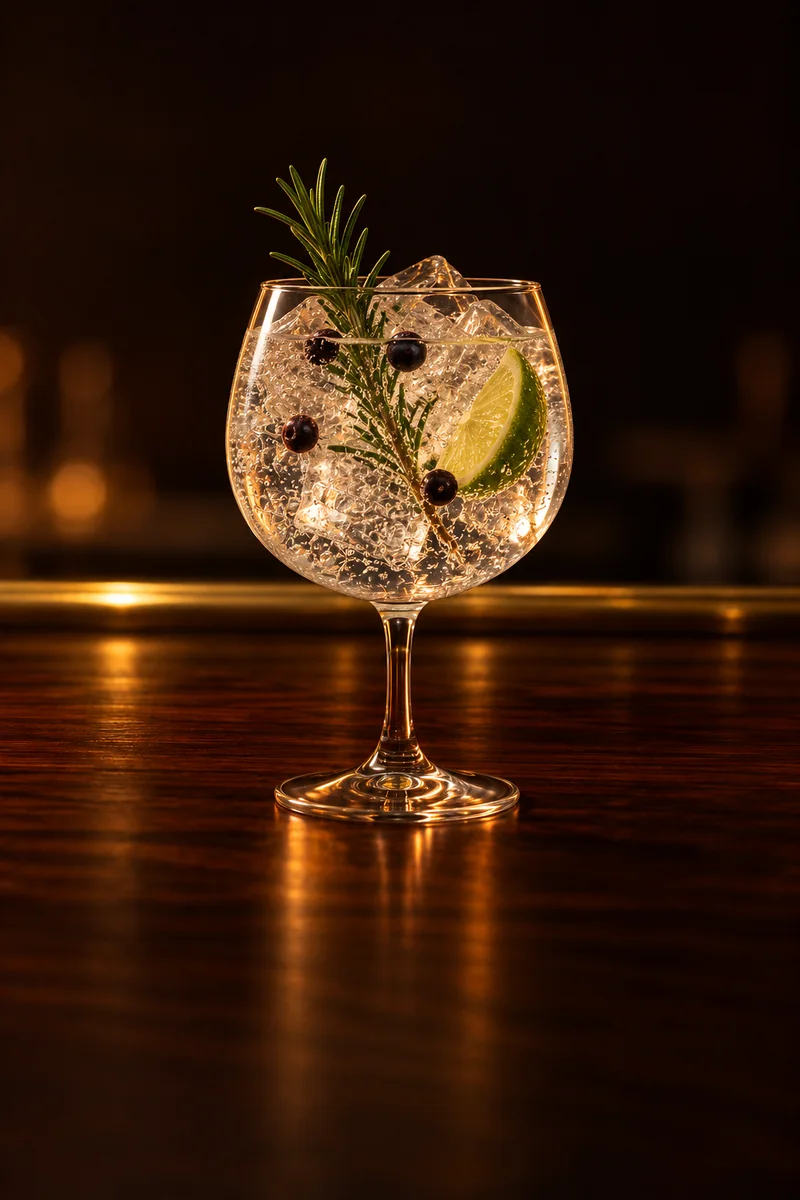
Gin Tonic (Spanish gintonica)
Basque Country and Catalonia
IconicSignature drink
A generous gin and tonic built in a big stemmed balloon glass (copa de balon) packed with ice, a full bottle of tonic and an elaborate garnish. Garnishes include herbs and vegetables such as rosemary and fennel, chosen to bring out the gin's flavor.
Sources date the Spanish form to the early 2000s, first as an after-hours drink for Michelin-starred chefs in Catalonia and the Basque Country. Punch says it spread beyond Spain after the food writer Rafael Garcia Santos, who held an annual gastronomic meeting in San Sebastian, wrote about what the attending chefs drank. Perlick places the modern drink in San Sebastian in the early 2000s, after chefs' conventions led to late-night visits to its bars. Fever-Tree introduced branded balloon glasses as part of its US launch in 2007.
Made with: gin, tonic water, ice, herb and vegetable garnish.
Confidence: mediumEvidence: punchdrink.com (opens in a new tab), perlick.com (opens in a new tab)
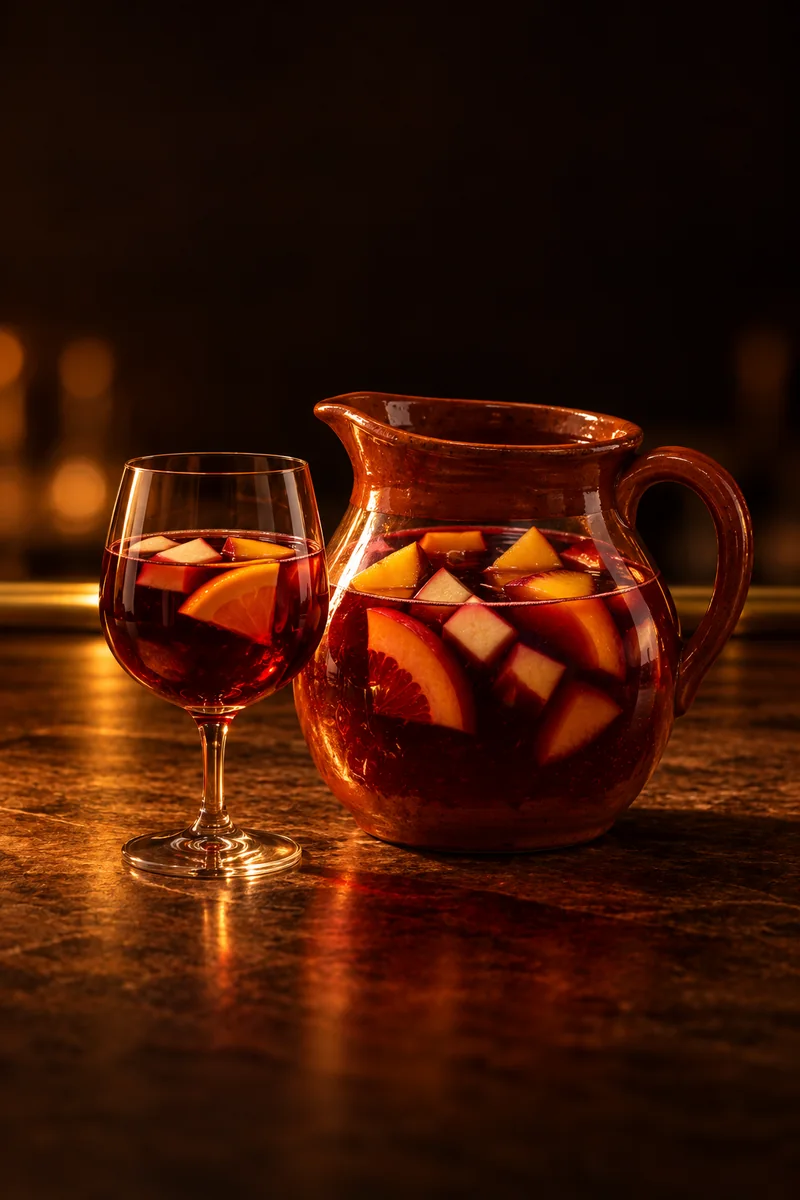
Sangria
IconicSignature drink
A chilled batch drink of red wine with chopped fruit, citrus juice and sugar, often with a splash of brandy or soda, poured from a pitcher. White (sangria blanca) and sparkling (sangria de cava) versions exist. Under EU rules the name is reserved for products made in Spain or Portugal, with alcohol from 4.5 percent to under 12 percent.
The word for the drink is traced to the 18th century, and a medieval Leonese wine, citrus and spice lemonade is named as a precursor. A related single-serve drink, the sangaree, probably began in the Caribbean and spread to mainland America before largely disappearing there by the early 20th century. Hispanic Americans and Spanish restaurants reintroduced sangria as an iced drink by the late 1940s, and the current American craze is dated to Spain's pavilion at the 1964 New York World's Fair.
Made with: red wine, chopped fruit, orange juice, sugar, brandy or soda (optional).
Confidence: mediumEvidence: vinepair.com (opens in a new tab), en.wikipedia.org (opens in a new tab)
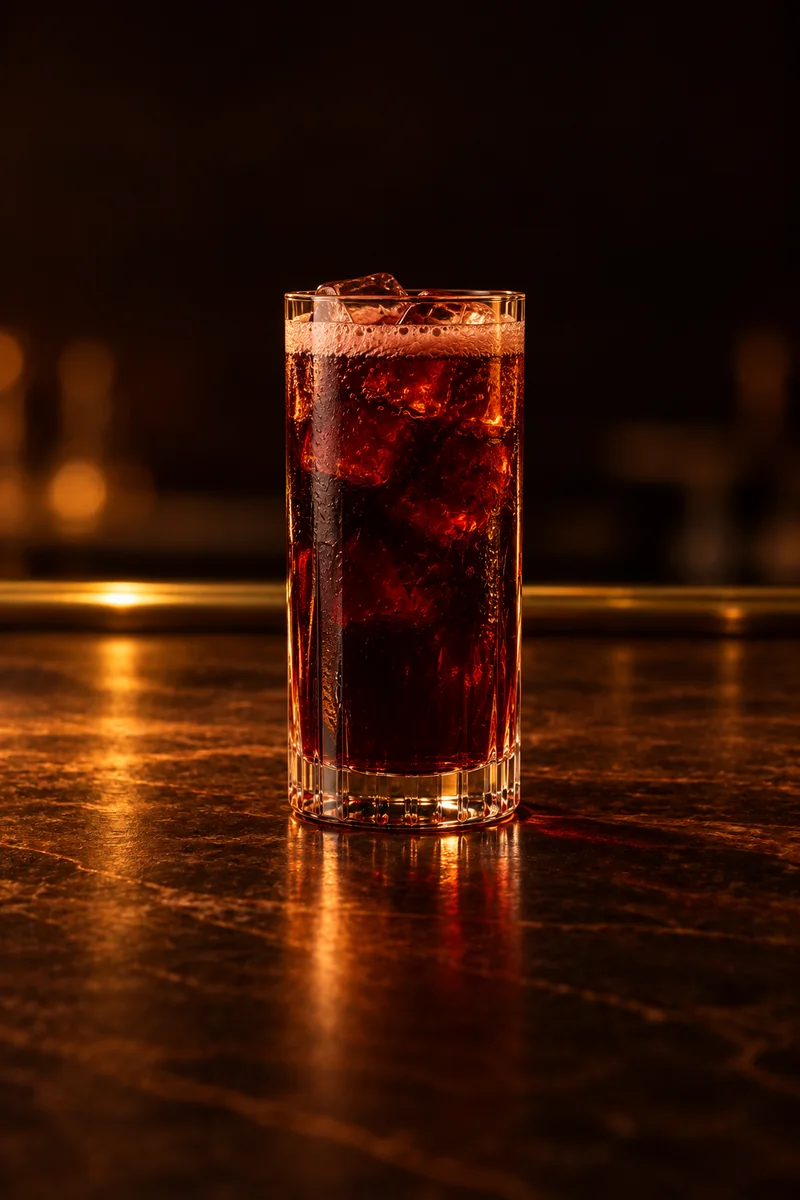
Kalimotxo
Basque Country
IconicRegional drink
Equal parts red wine and cola stirred over plenty of ice. It is a classic of the Basque Country and much of Spain, and Wikipedia cites a headline calling it a favorite of street drinking gatherings (botellon).
Red wine and cola were mixed in the Basque Country as early as the 1920s, when Coca-Cola was not widely available, and the first Coca-Cola plant in Spain opened in 1953. Wikipedia says mass use at a festival in Algorta, Biscay, in 1972 led to the name kalimotxo, a blend of the nicknames Kalimero and Motxongo. These dates and the name story rest on Wikipedia alone.
Made with: red wine, cola, ice.
Confidence: mediumEvidence: en.wikipedia.org (opens in a new tab), diffordsguide.com (opens in a new tab)
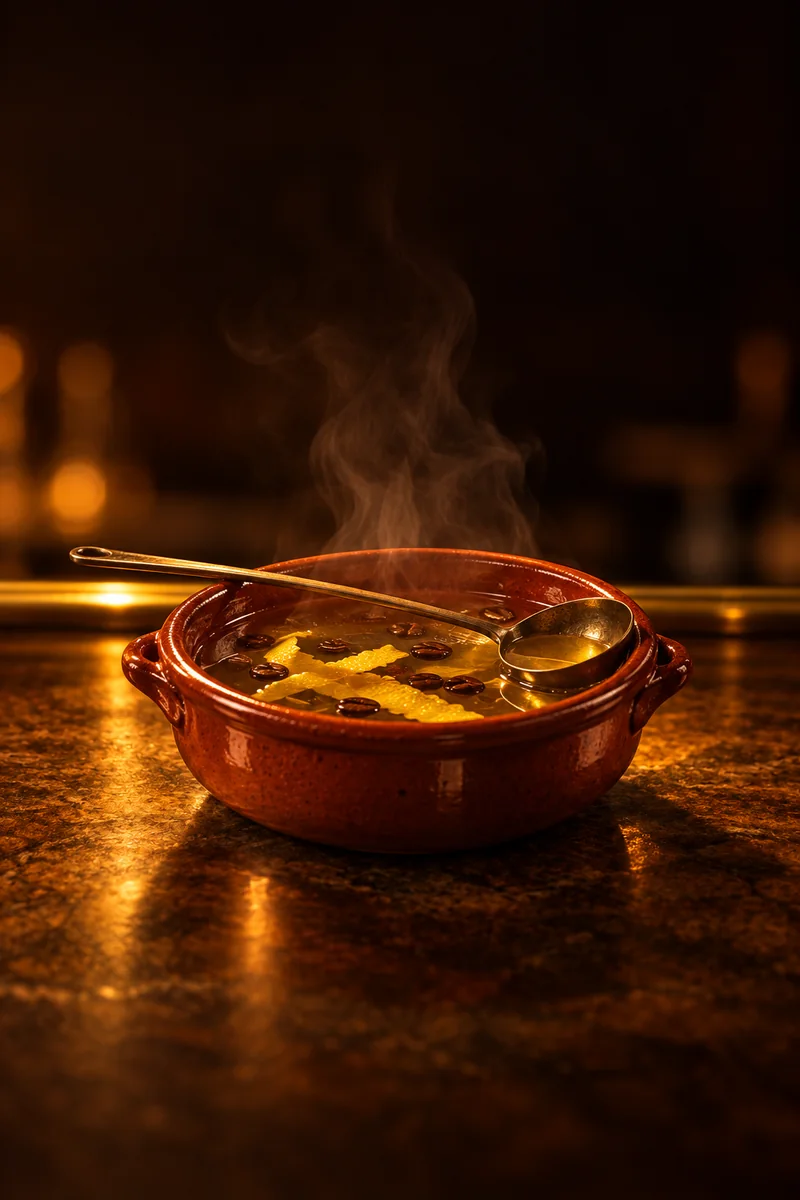
Queimada
Galicia
IconicRegional drink
A Galician punch of orujo spirit with sugar, citrus peel and coffee beans, made in a clay pot or hollowed pumpkin. The spirit is set alight and a ladle is lifted and poured back so the blue flame runs through the liquid. A traditional verse, the conxuro, is recited while it burns.
Wikipedia ties it to the Celtic pagan festivals of Galicia and says the ritual takes place on Saint John's Eve, June 23. It also names Arab, Moorish and South American colonial influences. A second page says the origins are not completely clear. The origin is told as tradition; no documented date is given.
Made with: orujo (aguardiente), sugar, lemon or orange peel, coffee beans.
Confidence: lowEvidence: en.wikipedia.org (opens in a new tab), galiciatravels.com (opens in a new tab)
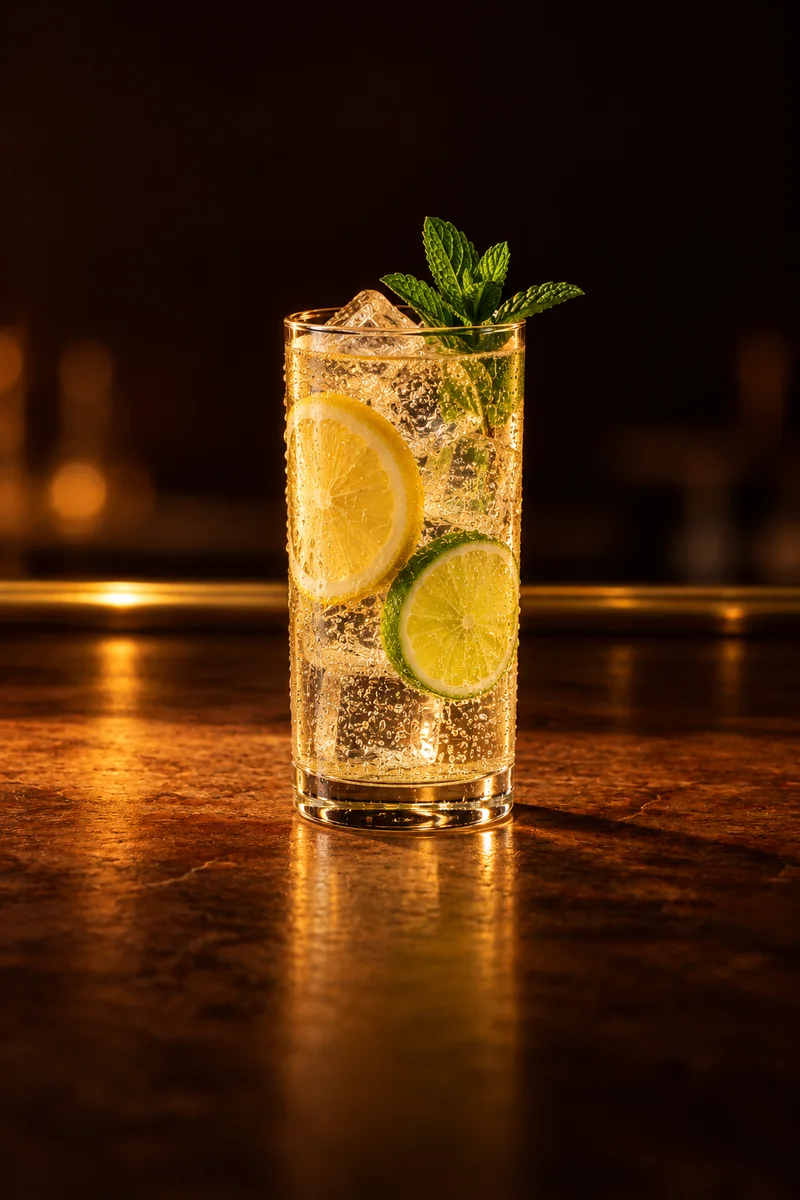
Rebujito
Andalusia (Seville, Feria de Abril)
IconicRegional drink
Dry sherry (fino or manzanilla) topped with cold lemon-lime soda over ice, with mint. It is commonly made in a jug and poured into glasses. Each area of Andalusia tends to use its own local wine.
Difford's gives the name as coming from the Spanish verb arrebujar, to mix, and ties the drink to Seville and the Feria de Abril in April. The sources fetched give no inventor or date.
Made with: fino or manzanilla sherry, lemon-lime soda, mint, ice.
Confidence: highEvidence: diffordsguide.com (opens in a new tab), directoalpaladar.com (opens in a new tab)
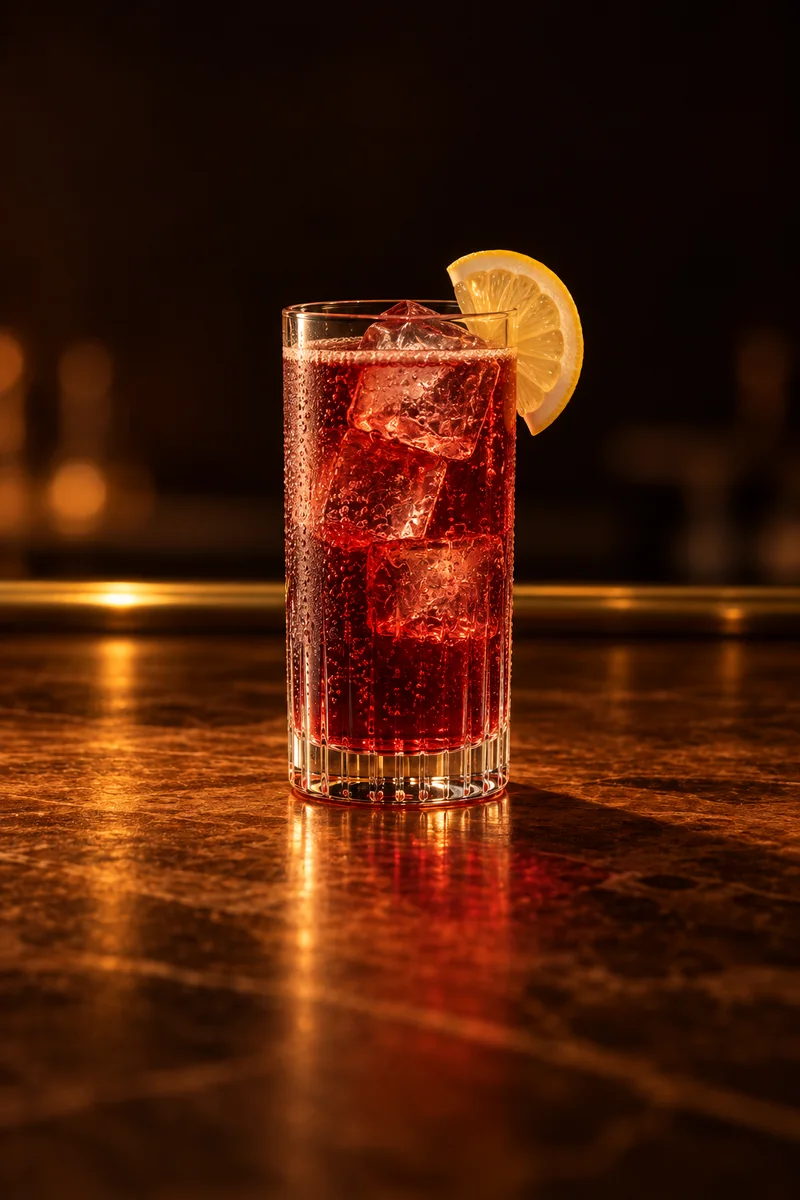
Tinto de Verano
Andalusia
IconicRegional drink
Chilled red wine mixed with lemon-flavored soda, served over ice with lemon slices. Some bars add a splash of vermouth. The name means red wine of summer.
A story places its start in the early 20th century at the Venta de Vargas, a roadside inn near Cordoba, where the owner Federico Vargas is said to have mixed red wine with soda, partly to stretch his wine stock. It was first called un Vargas. One source says the origin is unclear, and Wikipedia marks this account as needing a better source.
Made with: red wine, lemon soda (gaseosa), ice, lemon slice.
Confidence: mediumEvidence: escapadarural.com (opens in a new tab), en.wikipedia.org (opens in a new tab)
Map data: Natural Earth, public domain.