Country
Germany
I have 4 sourced drinks connected to Germany. The label on each card says how: where it began, what the country is known for, what people drink there, or where the origin is disputed.
Drinks of Germany
Signature drinks and regional ones, with the evidence behind each. A drink marked non-alcoholic has no alcohol in the traditional serve.
Radler
Bavaria
IconicSignature drink
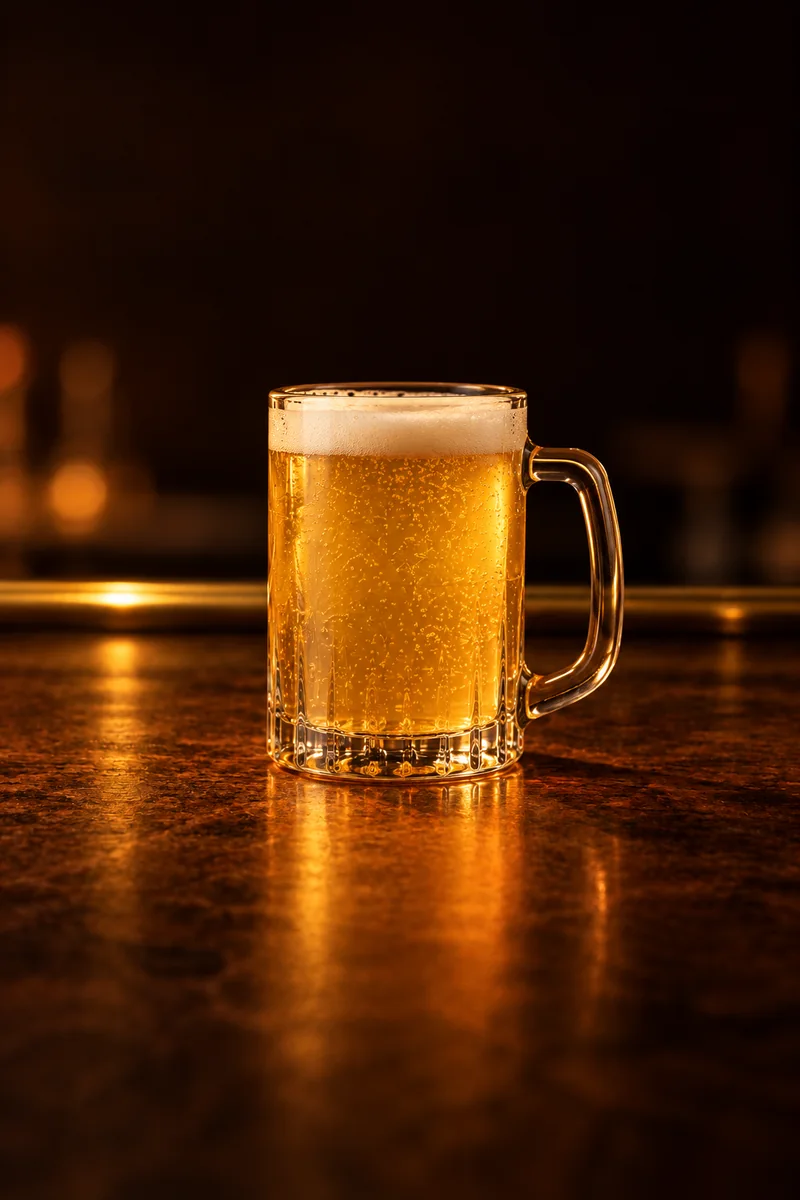
Roughly equal parts beer and lemon-flavored soft drink, a low-alcohol summer drink. The Bavarian name means cyclist's liter, and in the north the same mix is called Alsterwasser. Austria uses names such as saurer Radler (lager with soda water) and Almradler (with Almdudler).
Legend credits Franz Xaver Kugler, who ran the Kugleralm beer garden near Munich, with mixing lemon soda into low beer stocks in 1922 when more than 13,000 cyclists arrived. Wikipedia notes that texts from 1912 already document beer and soft drink mixed, so the Kugler story is popularly told rather than proven.
Made with: lager or pilsner, lemon soda.
Confidence: mediumEvidence: punchdrink.com (opens in a new tab), en.wikipedia.org (opens in a new tab)
Berliner Weisse mit Schuss
Berlin
IconicRegional drink
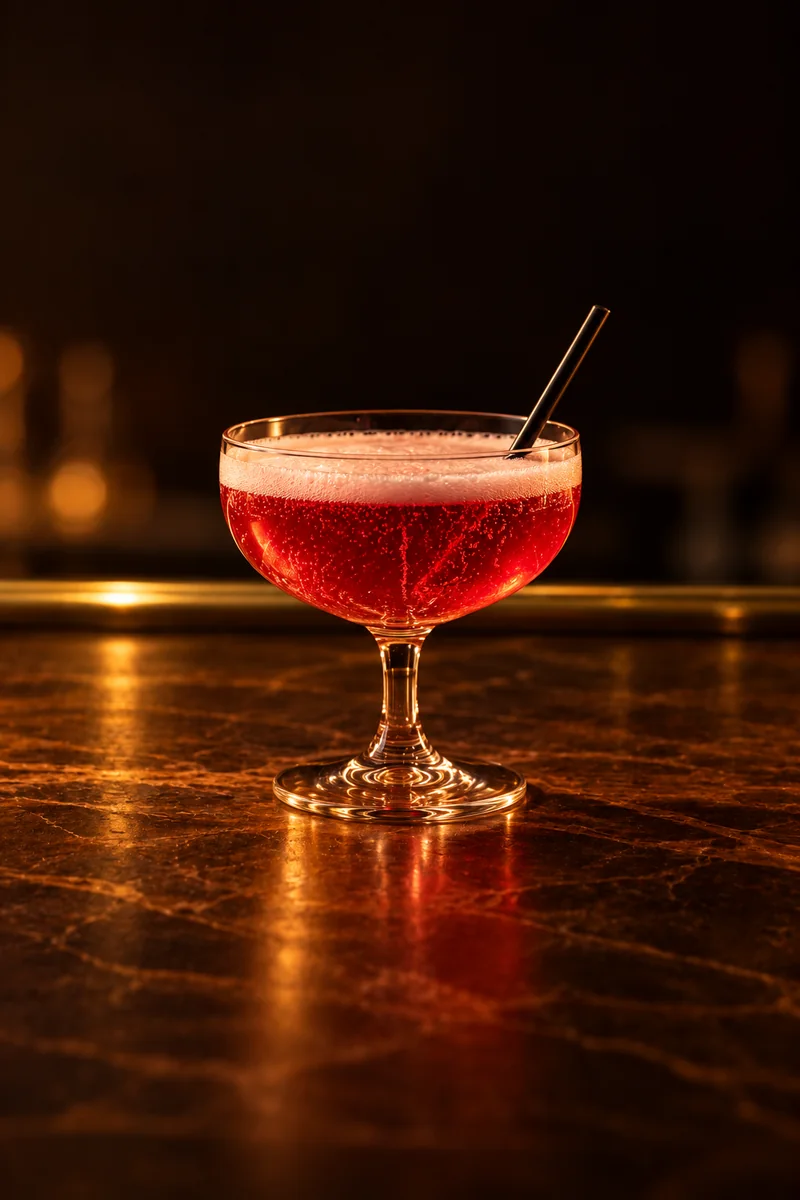
A low-alcohol sour wheat beer with a shot (Schuss) of fruit syrup, either red raspberry or green woodruff, about 2 cl of syrup to 0.3 liter of beer. It is served in a wide stemmed bowl-shaped glass with a straw.
Berlin brewers refined a sour wheat beer that was the city's most popular drink in the 19th century. Herbs such as woodruff were added to the brew early in that century. Originally people drank a schnapps with it rather than mixing in syrup.
Made with: Berliner Weisse (sour wheat beer), raspberry syrup or woodruff syrup.
Confidence: mediumEvidence: lecker.de (opens in a new tab), en.wikipedia.org (opens in a new tab)
Gluhwein
Christmas markets
IconicRegional drink
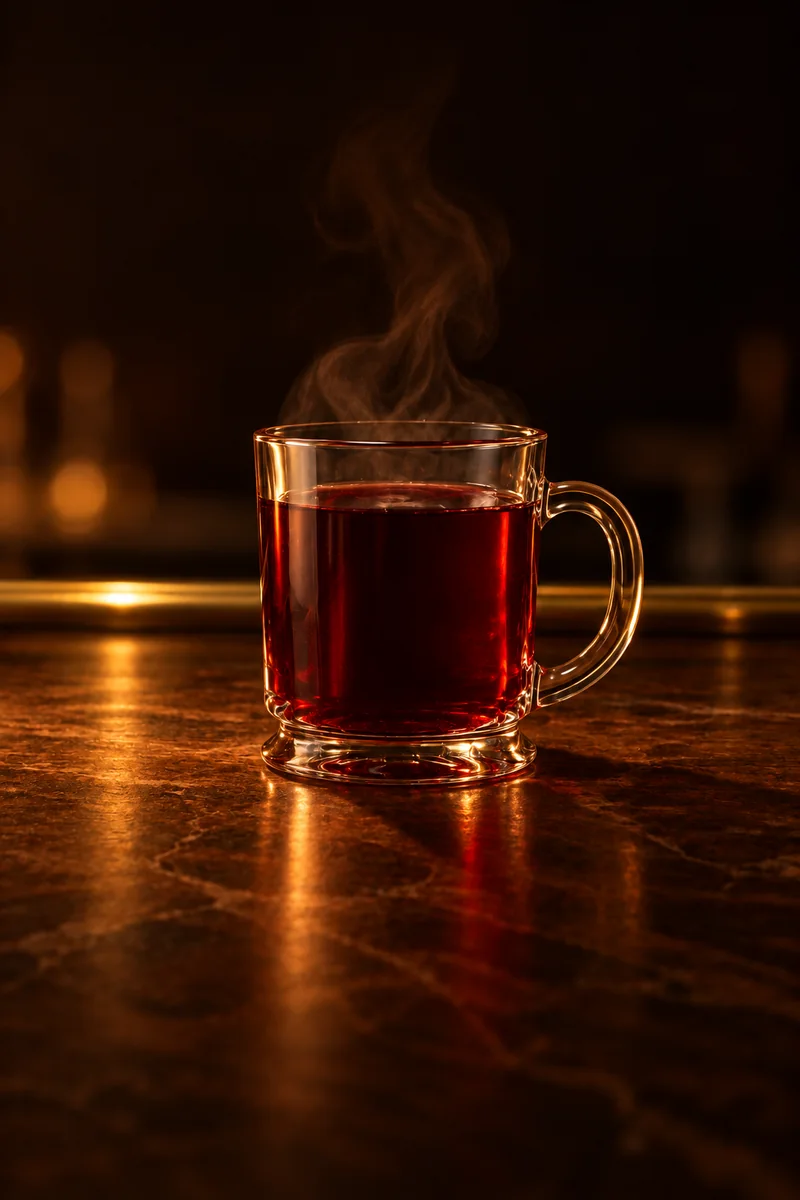
Red wine heated with spices such as cinnamon, cloves, star anise and orange, served hot at Christmas markets. White-wine and fruit-wine versions exist, and it can be served mit Schuss with rum added. The children's version is Kinderpunsch.
Wikipedia names a gold-plated tankard attributed to Count John IV of Katzenelnbogen, dated about 1420, as the oldest documented Gluhwein vessel. German Wikipedia gives the oldest recorded recipe for Central Germany as 1834 and says bottled Gluhwein went on sale in 1956. It is a traditional Christmas market drink.
Made with: red wine, cinnamon, cloves, star anise, orange, sugar.
Confidence: mediumEvidence: en.wikipedia.org (opens in a new tab), de.wikipedia.org (opens in a new tab)
Weinschorle
Palatinate (Pfalz)
IconicRegional drink
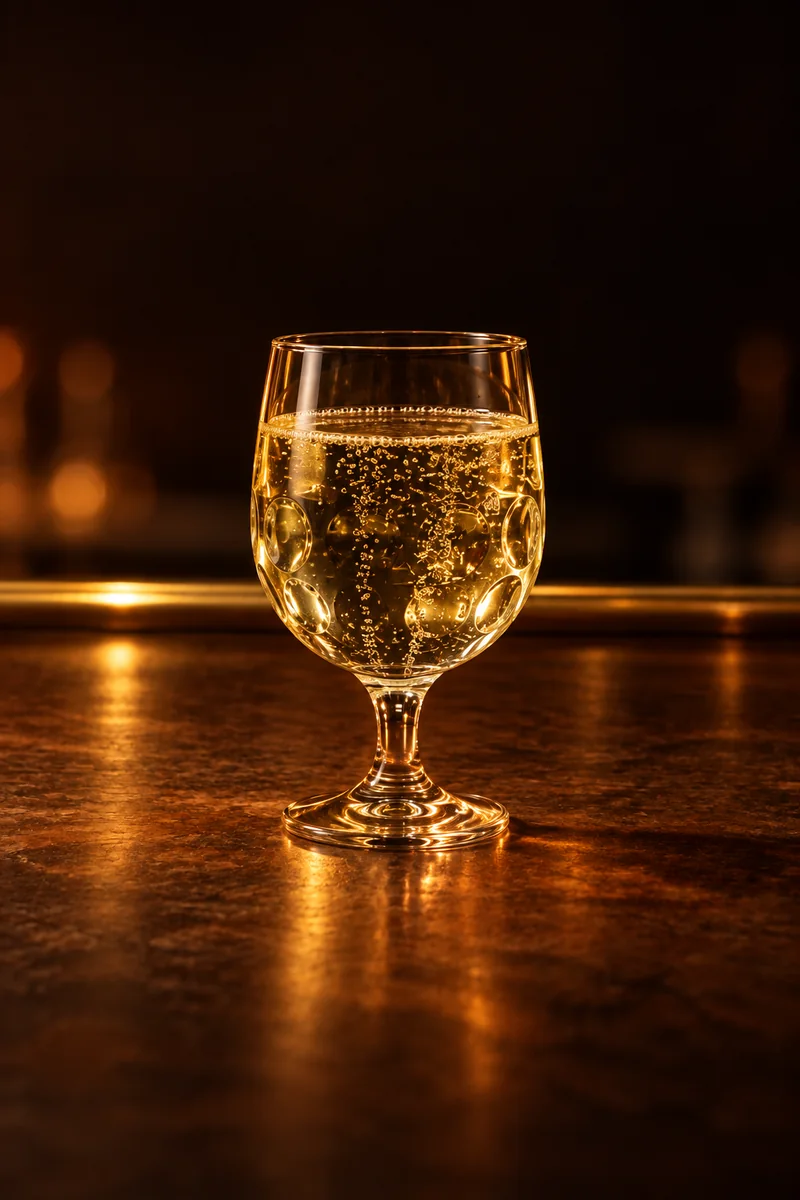
Wine mixed with carbonated mineral water, about one to one in general, though in the Palatinate wine often dominates. In the Palatinate it is poured in a 0.5 liter dimpled Dubbeglas. A sweet version uses lemonade instead of water.
The word Schorle has been used since the 18th century for wine mixed with sparkling water, according to the Duden etymology cited by Wikipedia, and the origin of the word is uncertain. The Dubbeglas is tied to the Palatinate wine-festival culture.
Made with: white or red wine, sparkling mineral water.
Confidence: mediumEvidence: en.wikipedia.org (opens in a new tab), de.wikipedia.org (opens in a new tab)
Map data: Natural Earth, public domain.