Country
Canada
I have 2 sourced drinks connected to Canada. The label on each card says how: where it began, what the country is known for, what people drink there, or where the origin is disputed.
Drinks of Canada
Signature drinks and regional ones, with the evidence behind each. A drink marked non-alcoholic has no alcohol in the traditional serve.
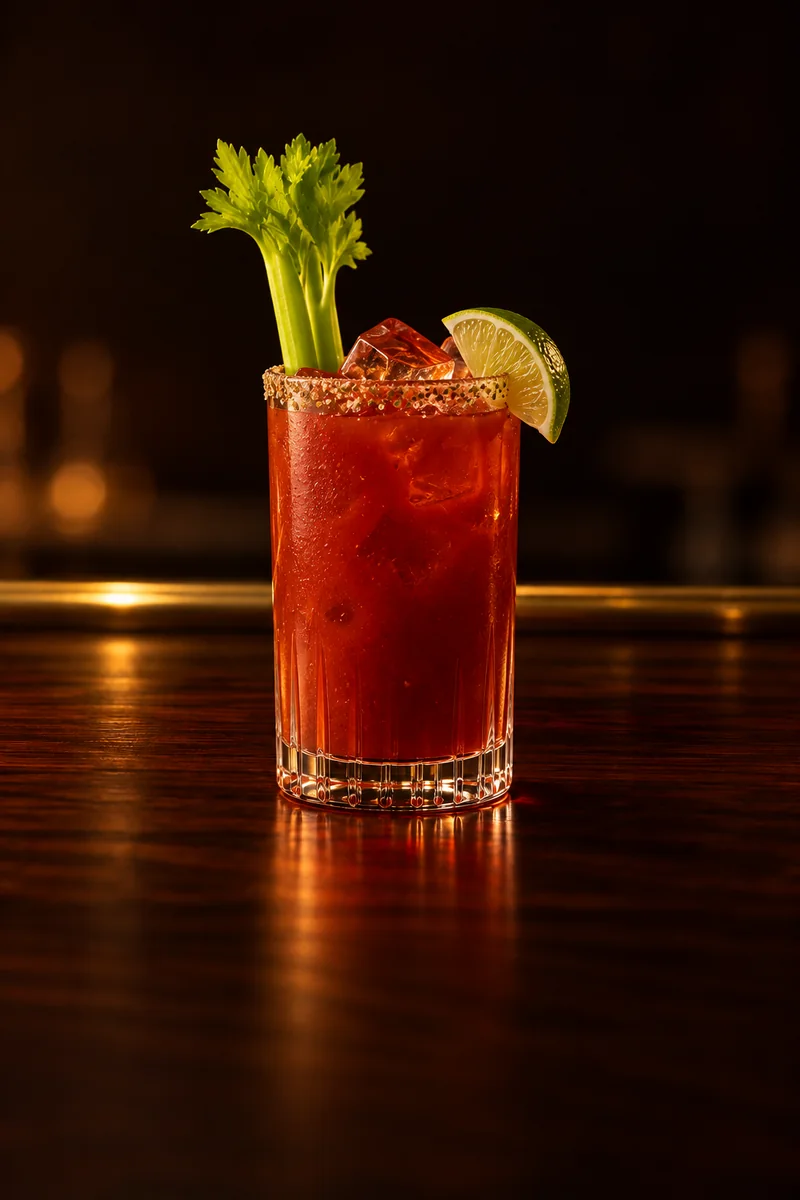
Bloody Caesar
OriginSignature drink
A savory highball of vodka and Clamato, seasoned with Worcestershire and hot sauce and served over ice. The glass rim carries celery salt, and the drink is finished with a celery stalk and a lime wedge. Canadians treat it as their national cocktail and drink it most often at brunch and lunch.
Walter Chell, a food and beverage manager at the Calgary Inn in Alberta, is credited with creating it in 1969 for the hotel's new Italian restaurant, taking his cue from spaghetti alle vongole. Accounts differ on his exact job title and on whether he first used mashed clams or a ready-made clam and tomato blend. The story that a customer named it a 'bloody Caesar' is popularly told and has no documentation. Mott's introduced Clamato in the same period, which made the drink easy to build in any bar.
Made with: vodka, Clamato (tomato and clam juice), Worcestershire sauce, hot sauce, celery salt, lime.
Confidence: highEvidence: thecanadianencyclopedia.ca (opens in a new tab), en.wikipedia.org (opens in a new tab)
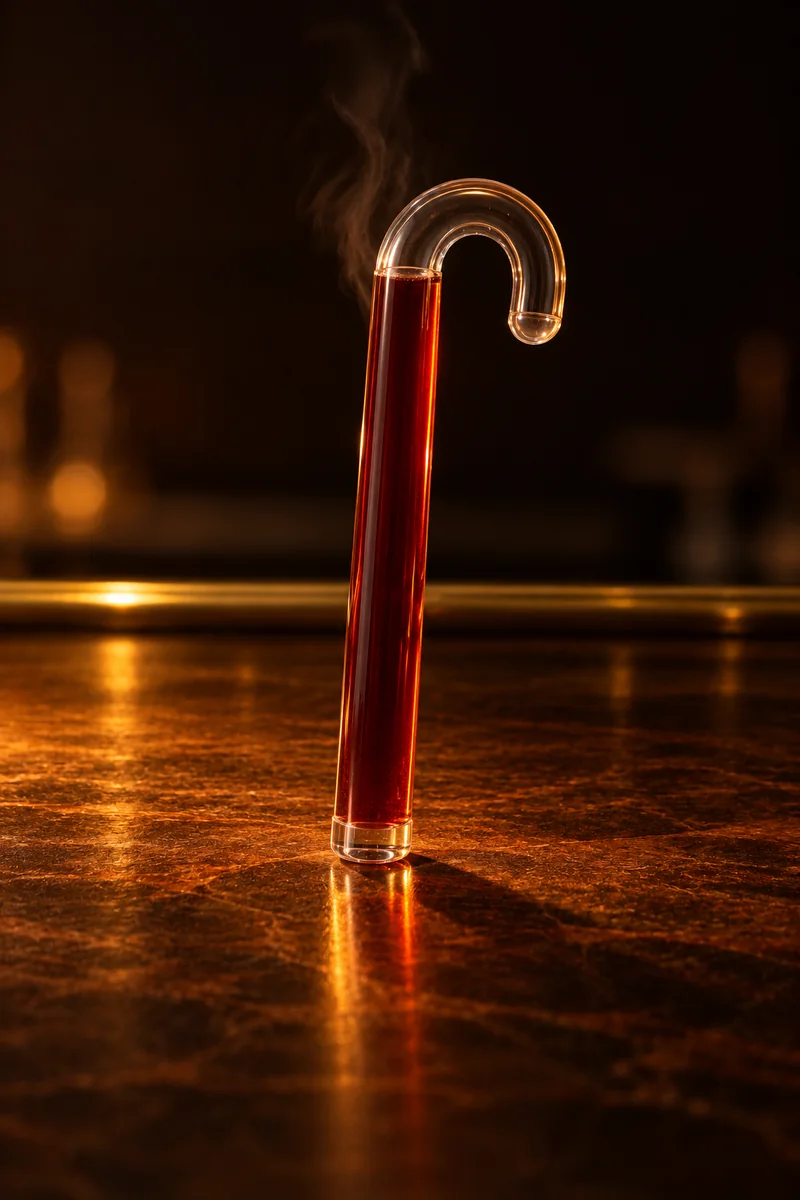
Caribou
Quebec City Winter Carnival
IconicRegional drink
A warm winter drink of port, sherry, vodka and brandy that is traditionally served at the Quebec Winter Carnival. Carnival-goers carry it in hollow plastic canes, and variants made with red wine and rye whisky, or with maple syrup, also circulate. It is served hot, in the manner of mulled wine.
A popular legend says fur traders first mixed it with caribou blood, and the name is said to come from a Mi'kmaq term meaning snow shoveler. Neither claim is documented. The Quebec liquor board says the recipe known today was first created in the 1960s at the Old Quebec establishment chez Ti-Pere, and that the Winter Carnival made it a trend, but it cites no source for that date. Wikipedia's history section gives no dates.
Made with: red port, sherry, vodka, brandy.
Confidence: lowEvidence: saq.com (opens in a new tab), en.wikipedia.org (opens in a new tab)
Map data: Natural Earth, public domain.