Country
Bolivia
I have 2 sourced drinks connected to Bolivia. The label on each card says how: where it began, what the country is known for, what people drink there, or where the origin is disputed.
Drinks of Bolivia
Signature drinks and regional ones, with the evidence behind each. A drink marked non-alcoholic has no alcohol in the traditional serve.
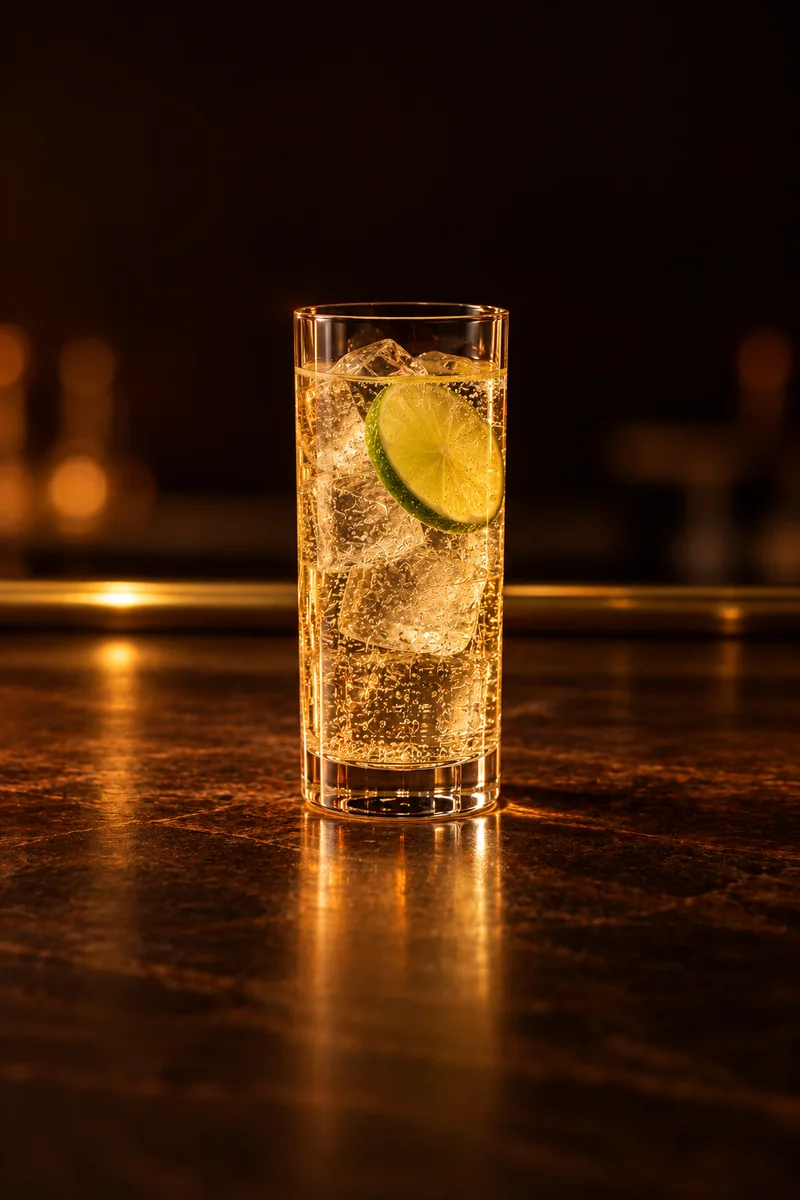
Chuflay
Bolivia, nationwide
IconicSignature drink
Bolivia's best-known singani drink: grape brandy topped with ginger ale over ice in a tall glass, finished with a slice of lime. A common ratio is 50 ml singani to 130 ml ginger ale. It is served at weddings and promotions and is linked with the cacho dice game.
A popular story credits British engineers building a railway in Bolivia, who swapped singani for gin when the gin ran out; one wine guide says the drink was invented somewhere between the end of the 19th and the beginning of the 20th century. The name is traced to railway slang for a shortcut, Short Fly, or to a story about shooing flies. Both stories are popularly told, and a reference page notes that its history rests on a single guidebook.
Made with: singani, ginger ale (or lemon-lime soda), lime or lemon, ice.
Confidence: highEvidence: southamericawineguide.com (opens in a new tab), en.wikipedia.org (opens in a new tab)
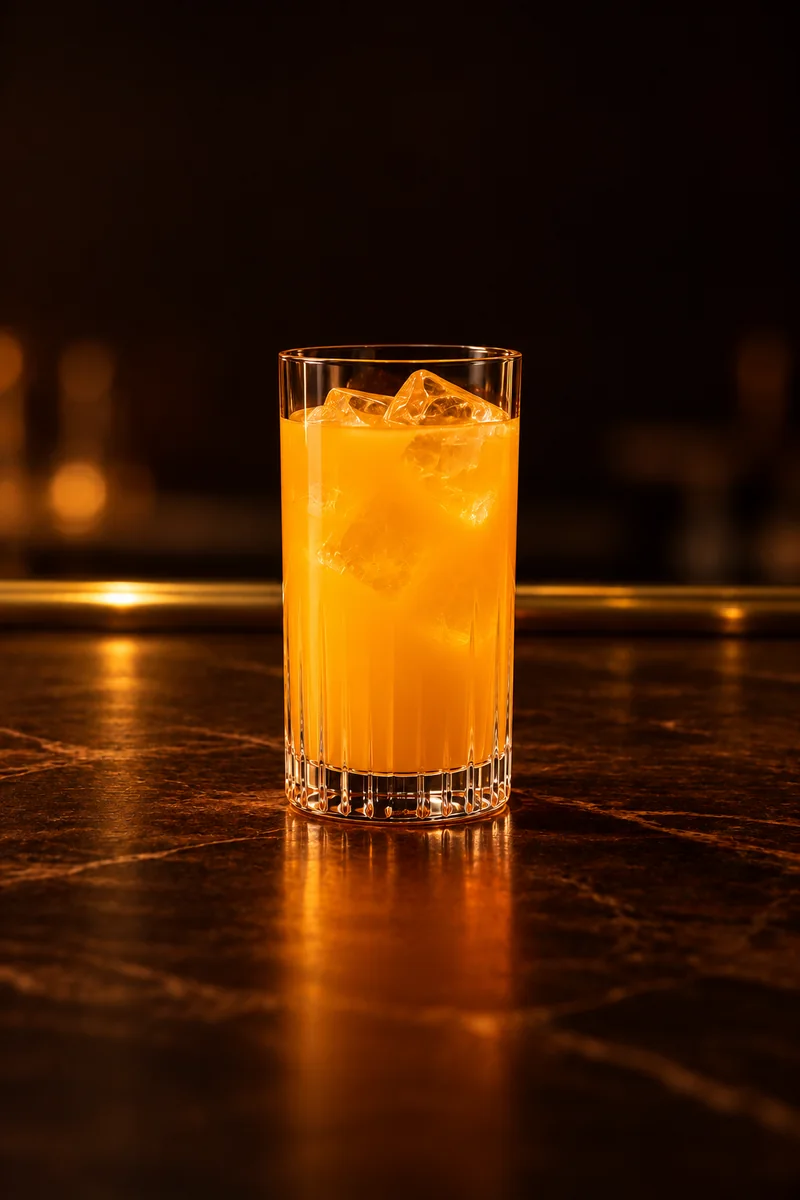
Yungueno
The Yungas valleys
IconicRegional drink
A singani and orange juice cocktail named after the Yungas region. A typical recipe shakes 5 cl singani, 10 cl orange juice and 2 teaspoons of sugar with ice and strains it into an ice-filled long glass.
One reference credits Afro-Bolivian communities in the Yungas with creating the mix and describes an older Beni party version made with raw cane alcohol and grapefruit juice that was aged in buried glass jugs. That account is flagged for needing citations, so the origin is treated as popularly told.
Made with: singani, orange juice, sugar or syrup, ice.
Confidence: mediumEvidence: en.wikipedia.org (opens in a new tab), cocktailmag.fr (opens in a new tab)
Map data: Natural Earth, public domain.