Country
Argentina
I have 2 sourced drinks connected to Argentina. The label on each card says how: where it began, what the country is known for, what people drink there, or where the origin is disputed.
Drinks of Argentina
Signature drinks and regional ones, with the evidence behind each. A drink marked non-alcoholic has no alcohol in the traditional serve.
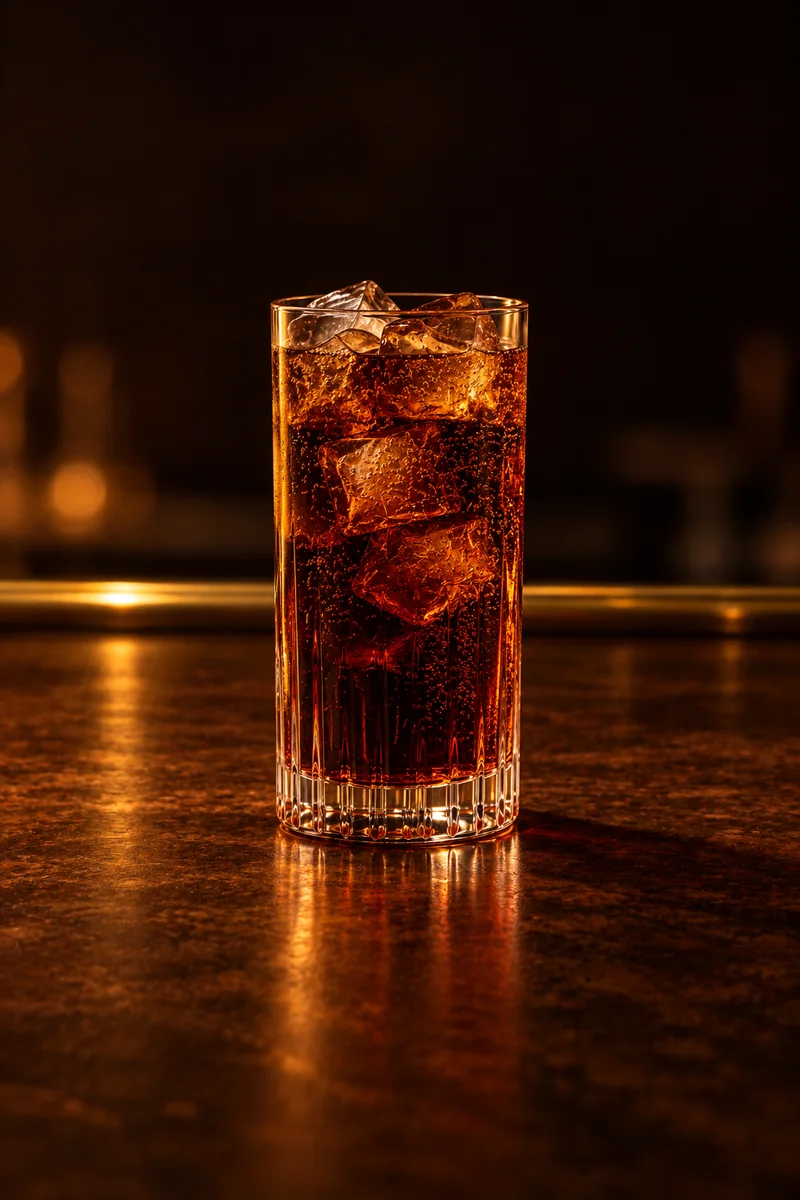
Fernet con Coca
Cordoba province, now national
IconicSignature drink
A long drink of the Italian herbal amaro Fernet with cola over plenty of ice. The Cordoba style is about one part Fernet to three parts cola, with the ice going in first and the cola poured last. A reference article calls it an Argentine cultural icon, and the IBA lists it under the name Fernandito.
The Fernet maker and the Argentine tourism board both credit Cordoba with the pairing, and the nickname Fernandito is said to come from there too. Popular accounts place the first serve at a bar in Cruz del Eje, and no source agrees on who made it or in what year. Argentina marks Fernet con Coca day on November 25.
Made with: Fernet-Branca, cola, ice.
Confidence: highEvidence: argentina.travel (opens in a new tab), diffordsguide.com (opens in a new tab), es.wikipedia.org (opens in a new tab)
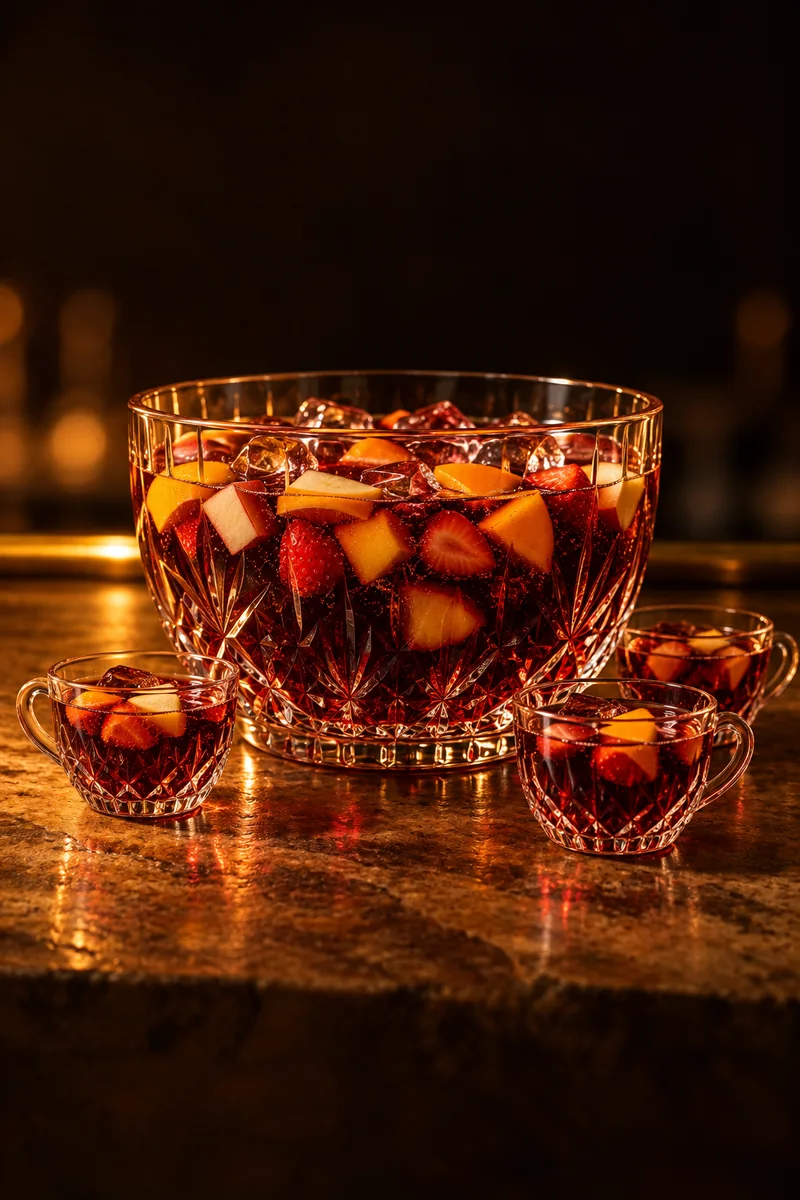
Clerico
Argentina, with the same custom in Uruguay and Paraguay; summer and end-of-year holidays
PopularRegional drink
A fruit-and-wine punch made with red wine and chopped fruit left to give up its juice, then lengthened with soda water and ice. In Argentina it is served from a punch bowl.
One reference article presents it as a local adaptation of the British claret cup, which reached the River Plate region with British immigrants. The name is described as a Spanish rendering of the English word claret. The origin rests on one tertiary source and is written here as popularly told.
Made with: red wine, orange, apple, peach, strawberry, sugar, optional white wine, sparkling wine, brandy or cider, soda water, ice.
Confidence: lowEvidence: es.wikipedia.org (opens in a new tab)
Map data: Natural Earth, public domain.